01Peptide recognition and Gq coupling
KISS1R
Cryo-EM structures describe KISS1R bound to kisspeptin-10 and a Gq protein complex. Ligand contacts and receptor shape help explain activation in the structural system.
Compound guide
A pathway-focused guide to molecular mechanisms, published evidence, and the limits of interpretation.
Overview
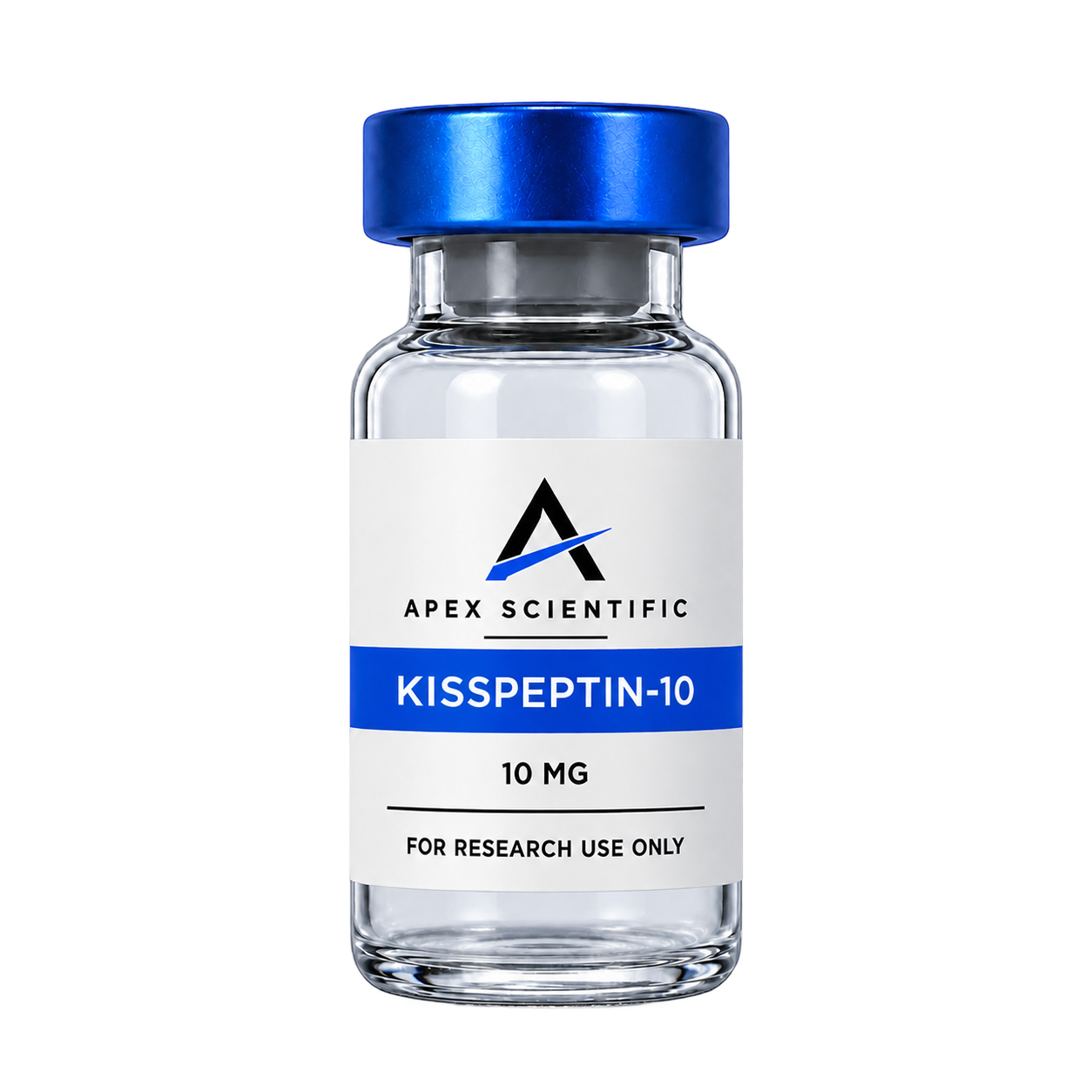
Kisspeptin-10 is a short peptide form derived from the KISS1 precursor. Its receptor, KISS1R (also called GPR54), is studied in neuroendocrine signaling.
Receptor structures show peptide recognition and Gq coupling. Functional work follows calcium responses and signaling toward the hypothalamic–pituitary–gonadal axis.
The selected evidence combines receptor structures, engineered-cell assays and rat/explant studies. Species, sequence and analogue differences matter. These studies do not establish human clinical outcomes or verify the sequence or formulation of this catalog vial.
Research model
These receptors, enzymes, and signaling networks define the primary laboratory questions associated with this research material.
Cryo-EM structures describe KISS1R bound to kisspeptin-10 and a Gq protein complex. Ligand contacts and receptor shape help explain activation in the structural system.
A structure–activity study tested rat kisspeptin-10 analogues in receptor-expressing cells. Amino-acid substitutions altered calcium responses and activity in rats.
Rat and hypothalamic-explant experiments examined GnRH release and downstream LH/FSH responses. Pituitary-fragment experiments helped distinguish hypothalamic from direct pituitary effects.
Map the research pathway
Follow each target through its intracellular signal, the model being observed, and the evidence boundary that governs interpretation.
Cryo-EM structures describe KISS1R bound to kisspeptin-10 and a Gq protein complex.
Ligand–receptor contacts and active-complex geometry; a structure alone cannot predict a clinical response.
Pathway activity does not establish safety, efficacy, or suitability for personal use.
A structure–activity study tested rat kisspeptin-10 analogues in receptor-expressing cells.
Calcium responses in transfected cells, NMR structure and rat LH responses; results are sequence- and species-specific.
Pathway activity does not establish safety, efficacy, or suitability for personal use.
Rat and hypothalamic-explant experiments examined GnRH release and downstream LH/FSH responses.
GnRH release in explants and gonadotropins in rats; these are not demonstrations of human fertility or catalog-vial efficacy.
Pathway activity does not establish safety, efficacy, or suitability for personal use.
Pathways examined together
Research interpretation
The structure shows how a peptide signal can engage its receptor.
Changing a peptide’s sequence can change what the receptor does.
A downstream hormone measurement reflects a relay rather than a single receptor event.
The selected evidence combines receptor structures, engineered-cell assays and rat/explant studies. Species, sequence and analogue differences matter. These studies do not establish human clinical outcomes or verify the sequence or formulation of this catalog vial.
Read the evidence
Continue exploring
More compounds organized within the endocrine & growth factor research area.
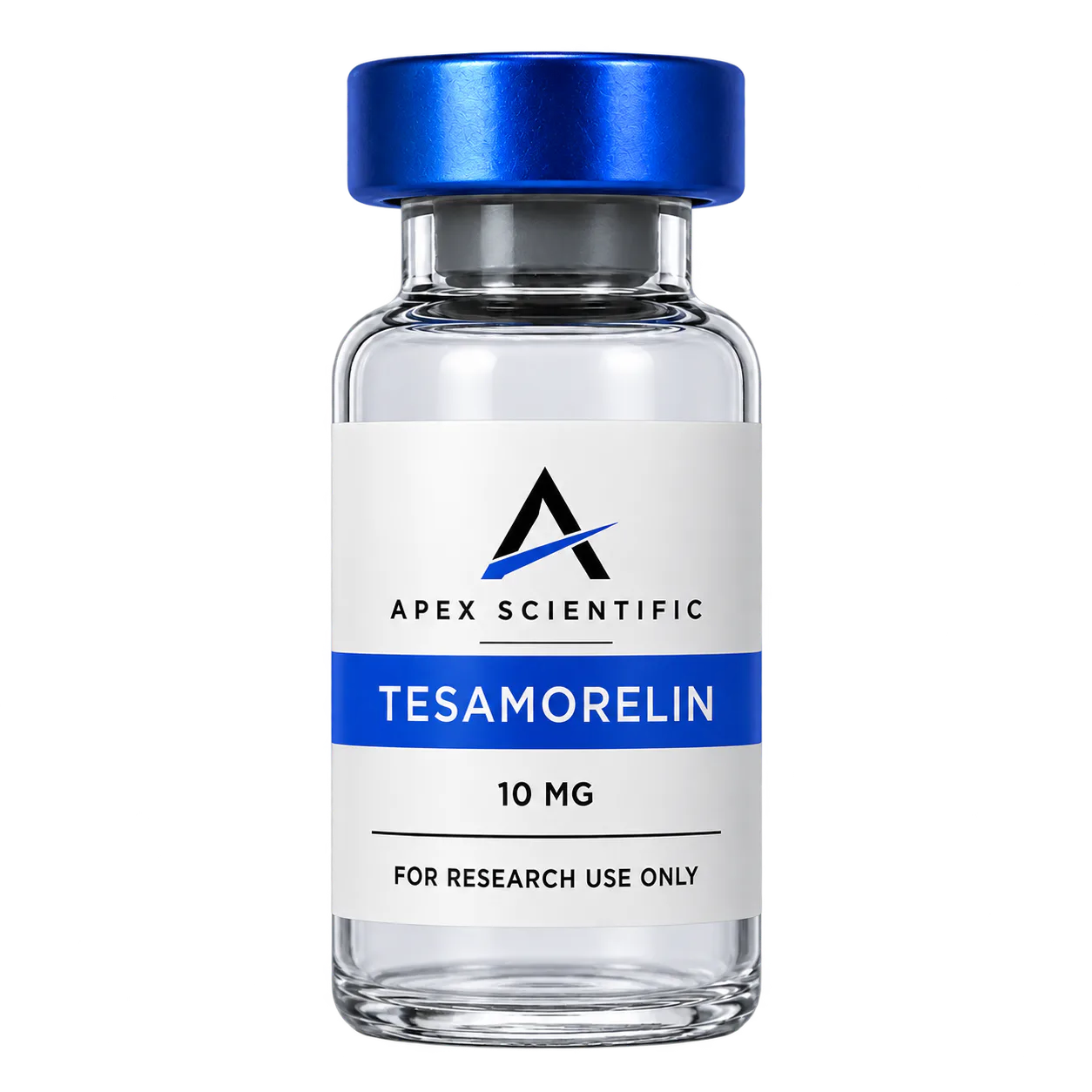
Tesamorelin is a stabilized analogue of growth hormone-releasing hormone (GHRH), a peptide signal involved in pituitary growth-hormone release.
Open compound guide ↗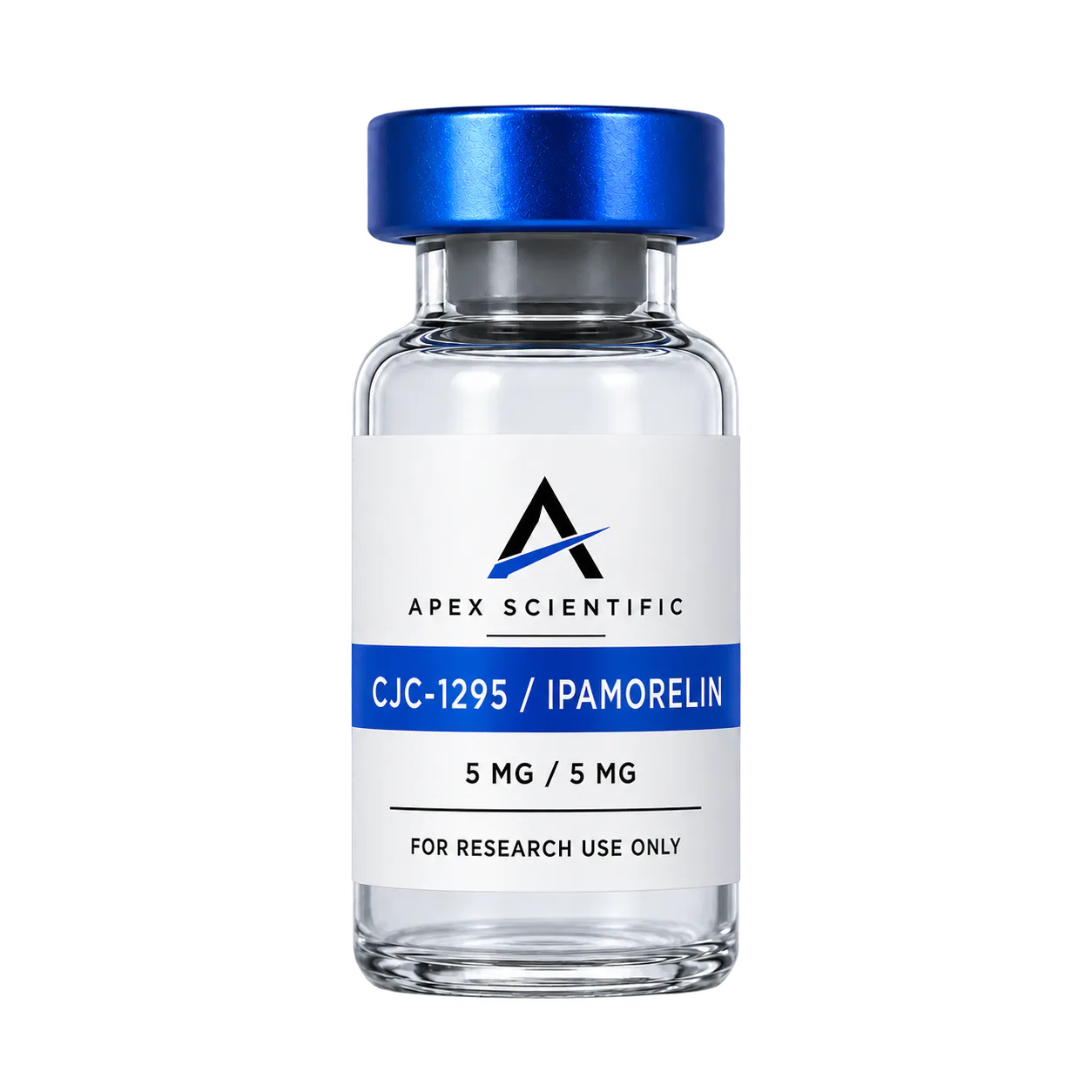
This blend combines CJC-1295, a long-acting GHRH analogue, with ipamorelin, a growth-hormone secretagogue that acts through the ghrelin receptor pathway.
Open compound guide ↗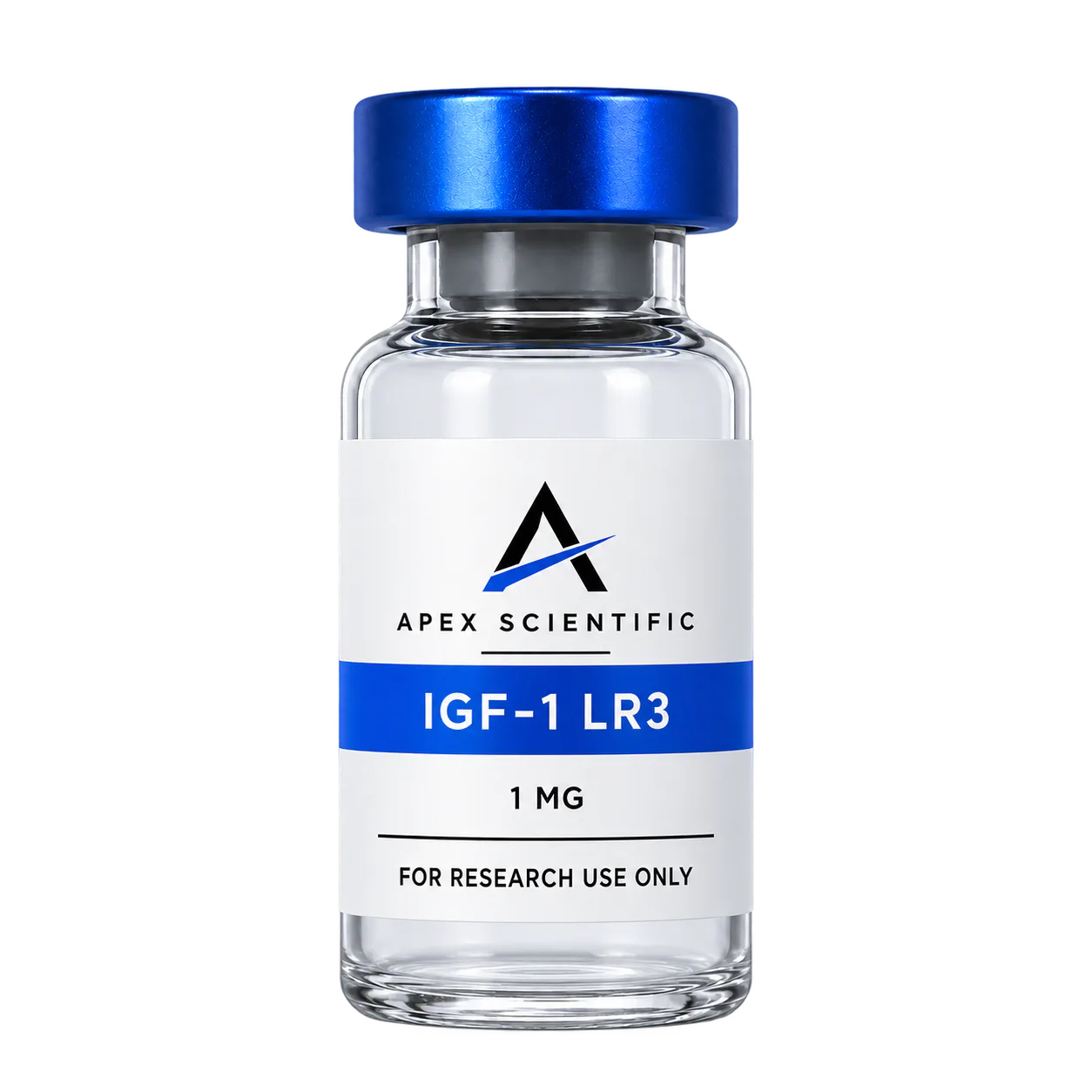
IGF-1 LR3 is an 83-amino-acid analogue of insulin-like growth factor 1 engineered to retain IGF-1 receptor activity while binding less strongly to IGF-binding proteins.
Open compound guide ↗One important note
The selected evidence combines receptor structures, engineered-cell assays and rat/explant studies. Species, sequence and analogue differences matter. These studies do not establish human clinical outcomes or verify the sequence or formulation of this catalog vial.
This guide summarizes molecular mechanisms, published evidence, and evidence limits in everyday language. It is educational information, not medical advice or instructions for personal use. Products offered on this site are intended exclusively for laboratory research and are not for human or veterinary use.