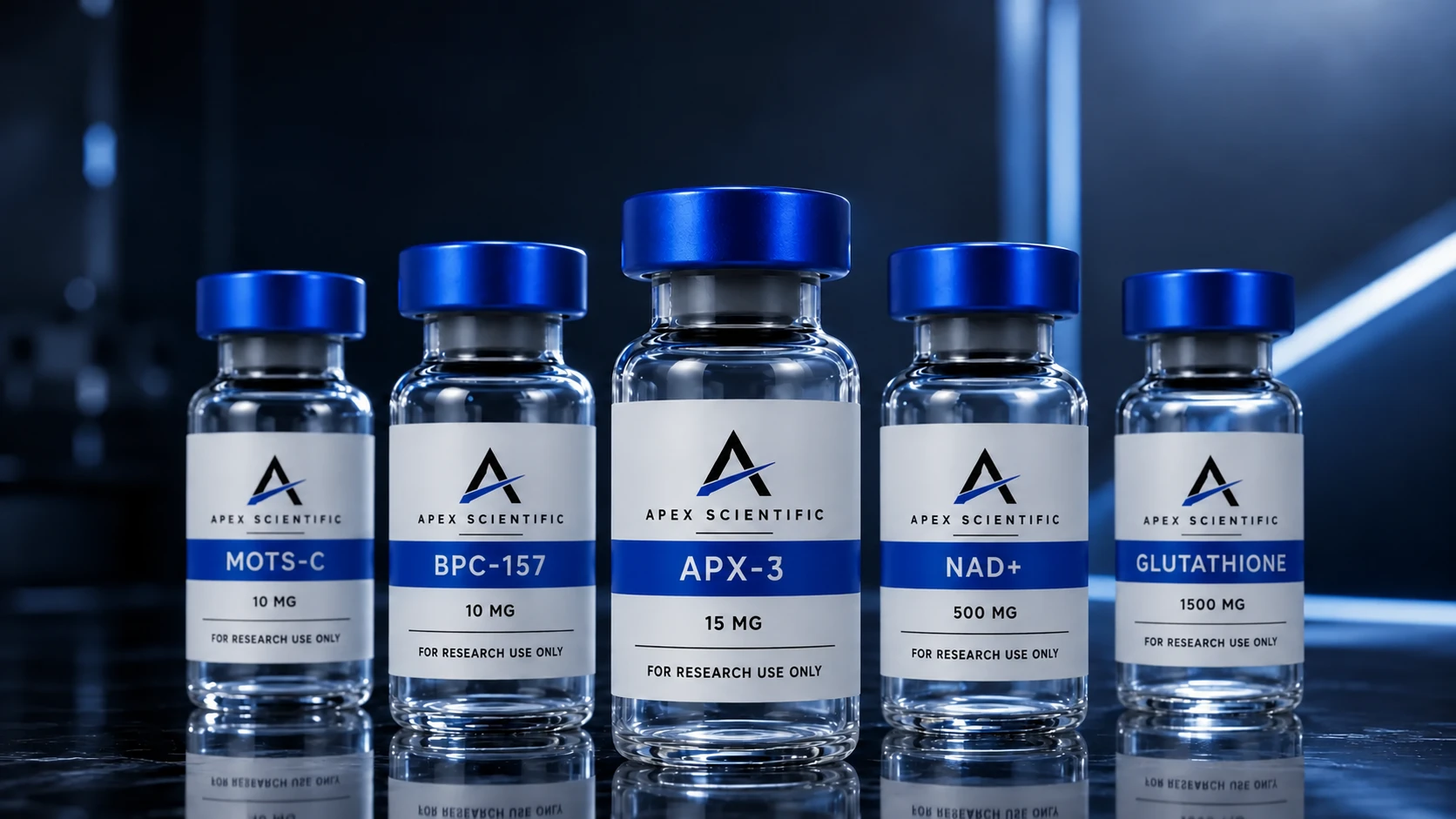
01CJC-1295 input
GHRH receptor
CJC-1295 is a GHRH analogue. Binding to the Gs-coupled GHRH receptor raises cyclic AMP and protein kinase A activity in pituitary somatotroph cells, supporting growth-hormone synthesis and release.

Compound guide
From cellular signaling to what those pathways mean in everyday language.
Overview
This blend combines CJC-1295, a long-acting GHRH analogue, with ipamorelin, a growth-hormone secretagogue that acts through the ghrelin receptor pathway.
This blend combines two signals that approach the same pituitary output from different receptors. CJC-1295 imitates growth hormone-releasing hormone, while ipamorelin activates the ghrelin receptor pathway.
Inside the body
These receptors, enzymes, and signaling networks form the primary steps connecting this compound with changes inside cells and tissues.
CJC-1295 is a GHRH analogue. Binding to the Gs-coupled GHRH receptor raises cyclic AMP and protein kinase A activity in pituitary somatotroph cells, supporting growth-hormone synthesis and release.
Ipamorelin activates the growth-hormone secretagogue receptor. This receptor mainly signals through Gq proteins, phospholipase C, intracellular calcium, and related pathways that trigger hormone release.
Growth hormone released from the pituitary acts on liver and peripheral tissues through JAK2 and STAT signaling. Liver production of IGF-1 is one measurable downstream response.
In plain English
Small studies reported longer-lasting increases in growth hormone and IGF-1.
The pathway can create a growth-hormone pulse, but human outcome evidence for ipamorelin is sparse.
This axis affects metabolism, tissue growth, and glucose handling throughout the body.
CJC-1295 raises cyclic-AMP signaling and ipamorelin raises calcium-linked signaling inside pituitary cells. Both routes can converge on growth-hormone release, which then activates the liver and tissue GH–IGF-1 axis.
Read the evidence
Continue exploring
More compounds organized within the endocrine & growth factor area.
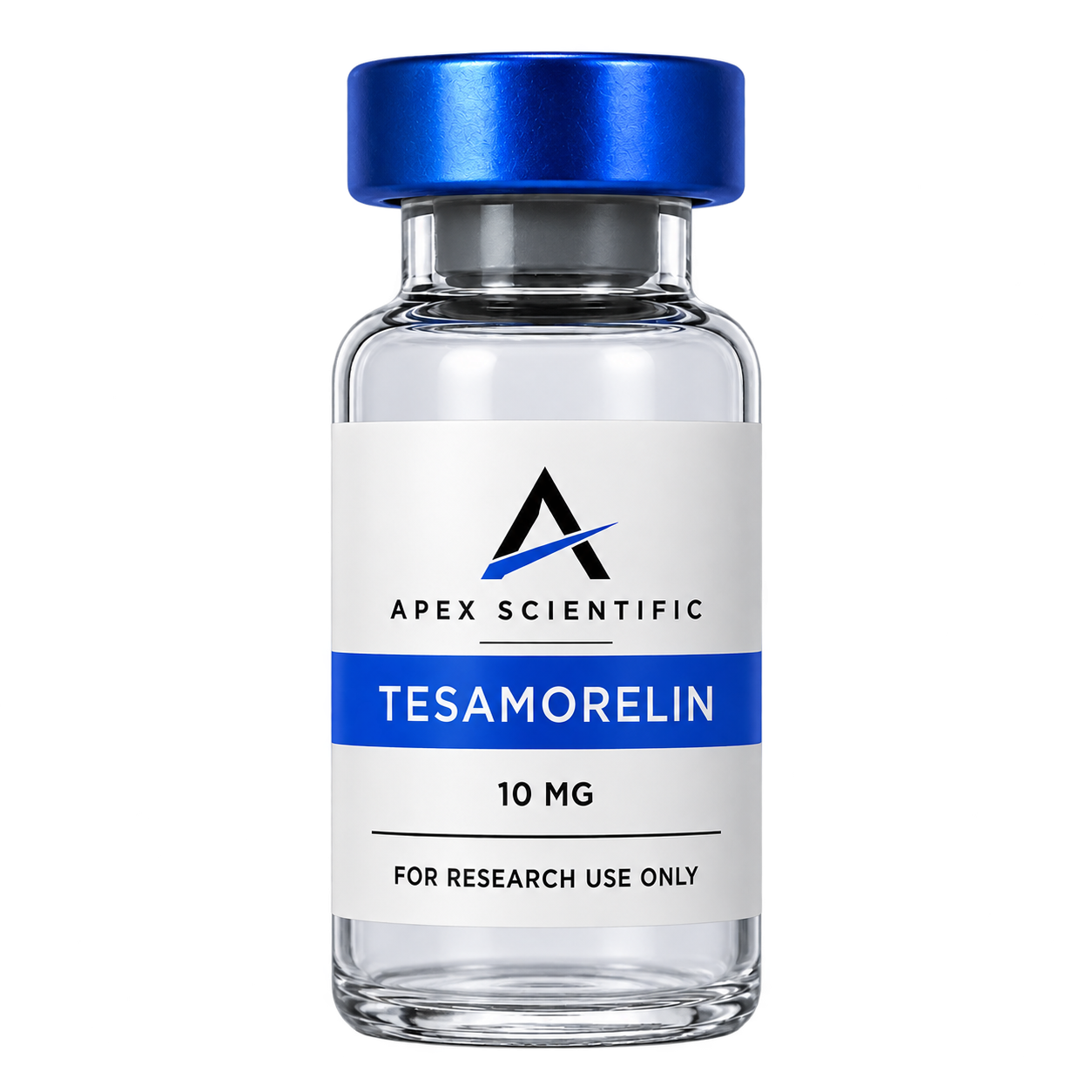
Tesamorelin is a stabilized analogue of growth hormone-releasing hormone (GHRH), a peptide signal involved in pituitary growth-hormone release.
Open compound guide ↗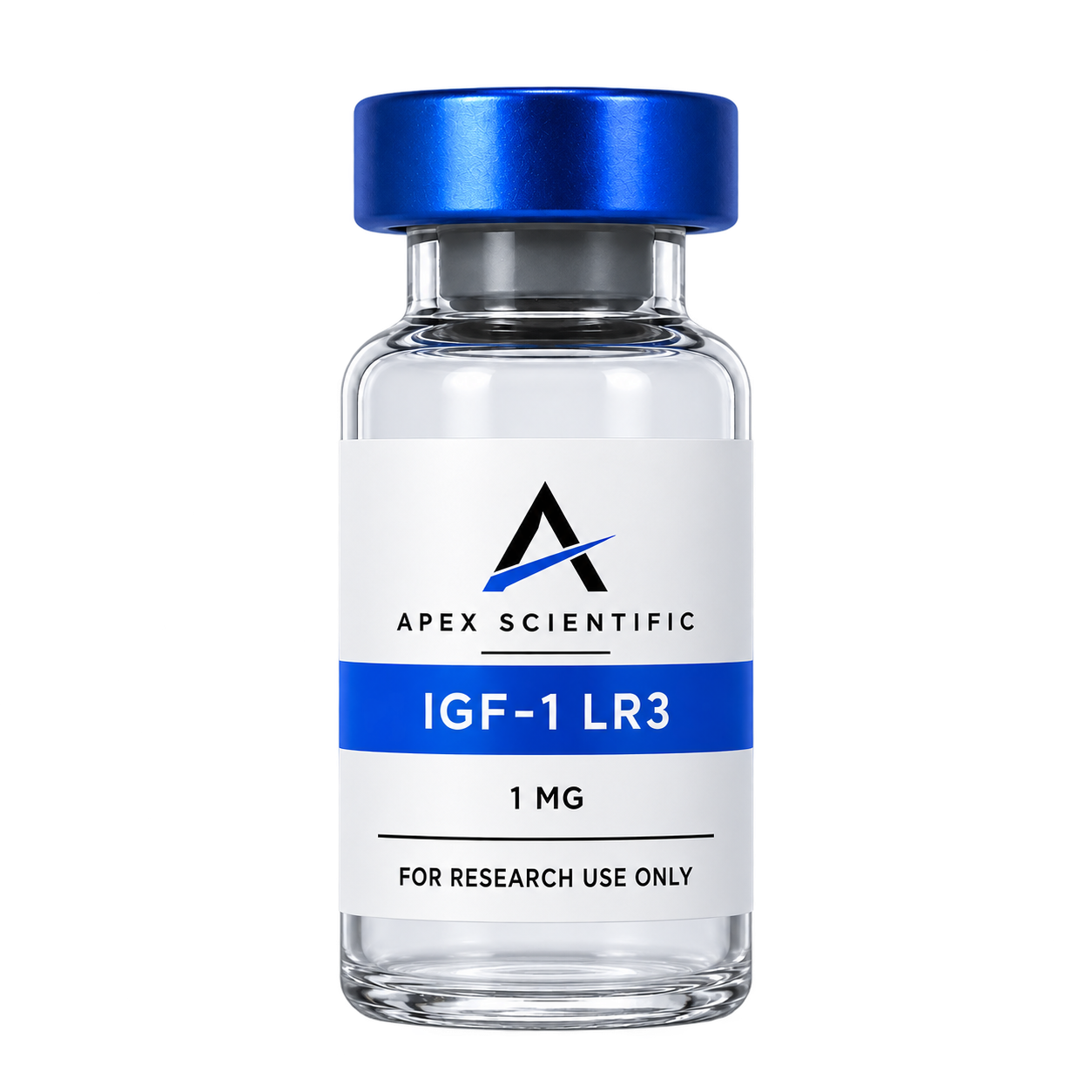
IGF-1 LR3 is an 83-amino-acid analogue of insulin-like growth factor 1 engineered to retain IGF-1 receptor activity while binding less strongly to IGF-binding proteins.
Open compound guide ↗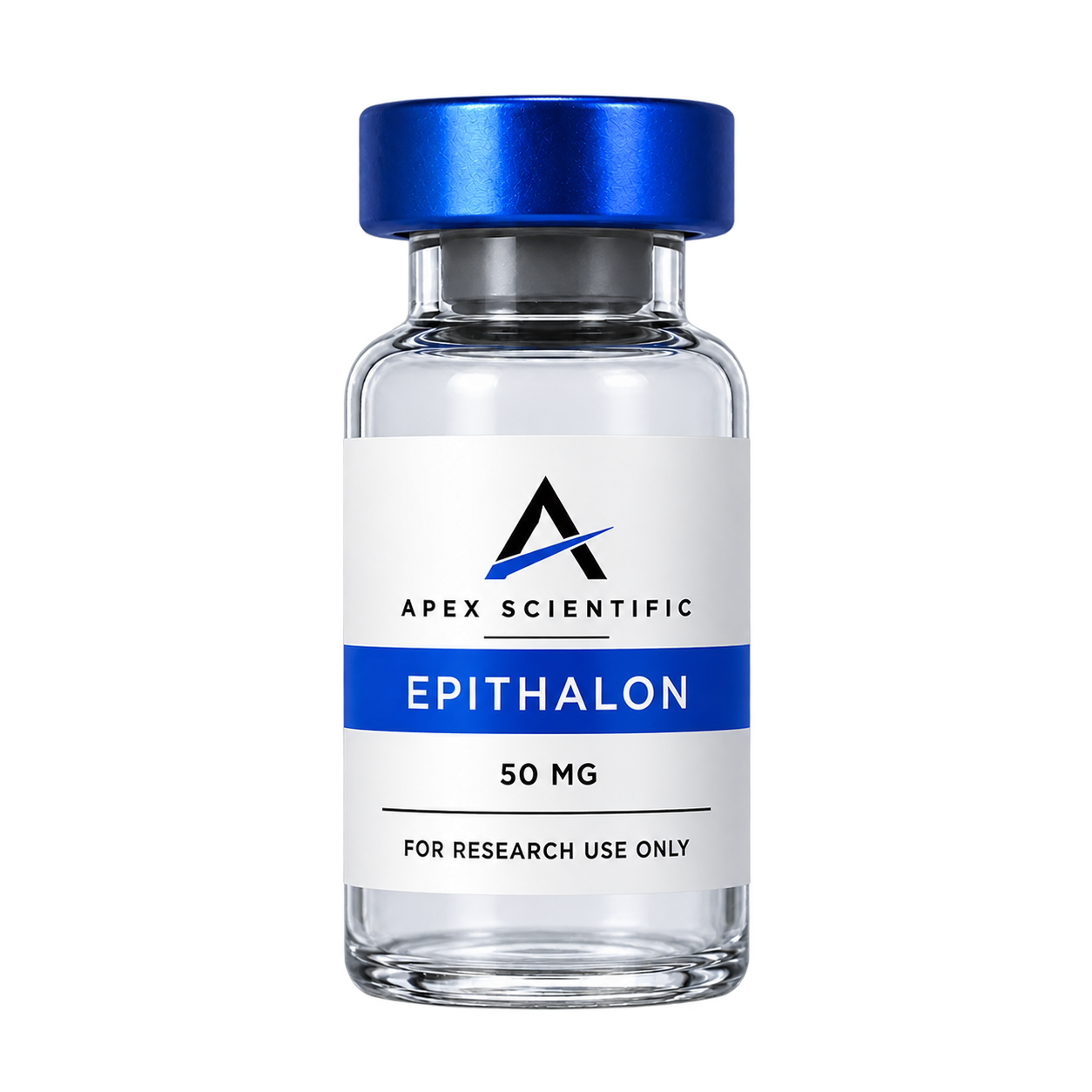
Epithalon, also spelled epitalon, is the tetrapeptide Ala-Glu-Asp-Gly developed from research on pineal peptide extracts.
Open compound guide ↗One important note
Small human studies measured hormone changes from CJC-1295, while ipamorelin evidence is primarily receptor and pharmacology research. The fixed blend has not been evaluated in controlled human outcome trials.
This guide explains cellular mechanisms and published outcomes in everyday language. It is educational information, not medical advice or instructions for personal use. Products offered on this site are intended exclusively for laboratory research and are not for human or veterinary use.