01Tyrosine-kinase activation
IGF-1 receptor
IGF-1 LR3 binds the IGF-1 receptor, a receptor tyrosine kinase. Receptor pairing and phosphorylation create docking sites for intracellular signaling proteins.

Compound guide
From cellular signaling to what those pathways mean in everyday language.
Overview
IGF-1 LR3 is an 83-amino-acid analogue of insulin-like growth factor 1 engineered to retain IGF-1 receptor activity while binding less strongly to IGF-binding proteins.
IGF-1 LR3 is an engineered version of insulin-like growth factor 1. It was modified to bind less tightly to some IGF-binding proteins, allowing a larger portion of the molecule to remain available to activate the IGF-1 receptor in experimental systems.
Inside the body
These receptors, enzymes, and signaling networks form the primary steps connecting this compound with changes inside cells and tissues.
IGF-1 LR3 binds the IGF-1 receptor, a receptor tyrosine kinase. Receptor pairing and phosphorylation create docking sites for intracellular signaling proteins.
IRS proteins can connect the activated receptor to PI3K, AKT, and mTOR signaling. This network regulates protein synthesis, glucose transport, and resistance to programmed cell death.
IGF-1 receptor signaling can also recruit the RAS, RAF, MEK, and ERK cascade, which alters gene expression related to proliferation and differentiation.
In plain English
Activating this receptor can influence cell growth, survival, and nutrient uptake.
The pathway explains interest in anabolic and metabolic effects.
This pathway is useful for studying development and tissue biology.
IGF-1 receptor activation begins a growth-and-survival signal. IRS proteins pass the message to PI3K and AKT, while mTOR and MAPK pathways influence protein synthesis, nutrient uptake, cell growth, and cell division.
Read the evidence
Continue exploring
More compounds organized within the endocrine & growth factor area.
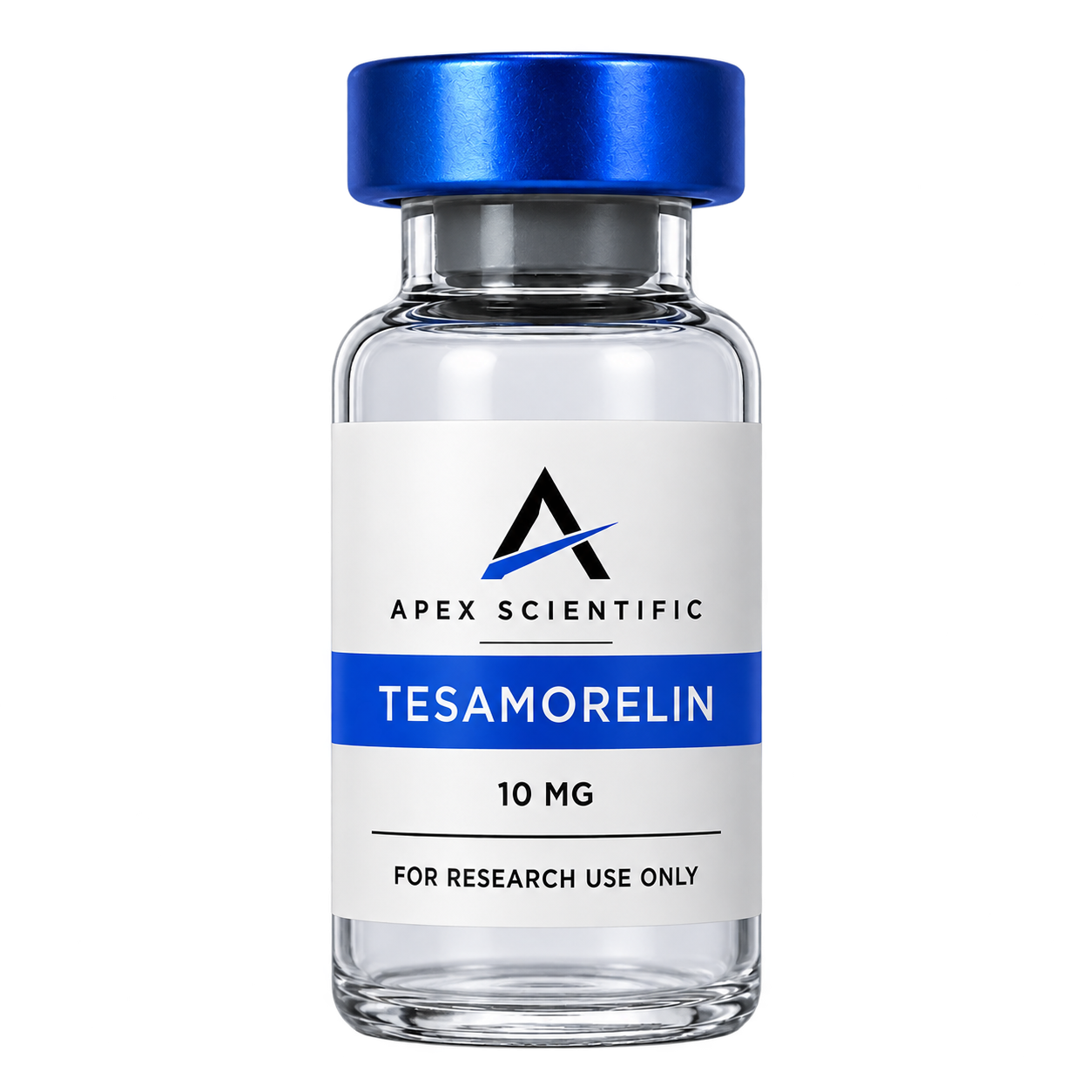
Tesamorelin is a stabilized analogue of growth hormone-releasing hormone (GHRH), a peptide signal involved in pituitary growth-hormone release.
Open compound guide ↗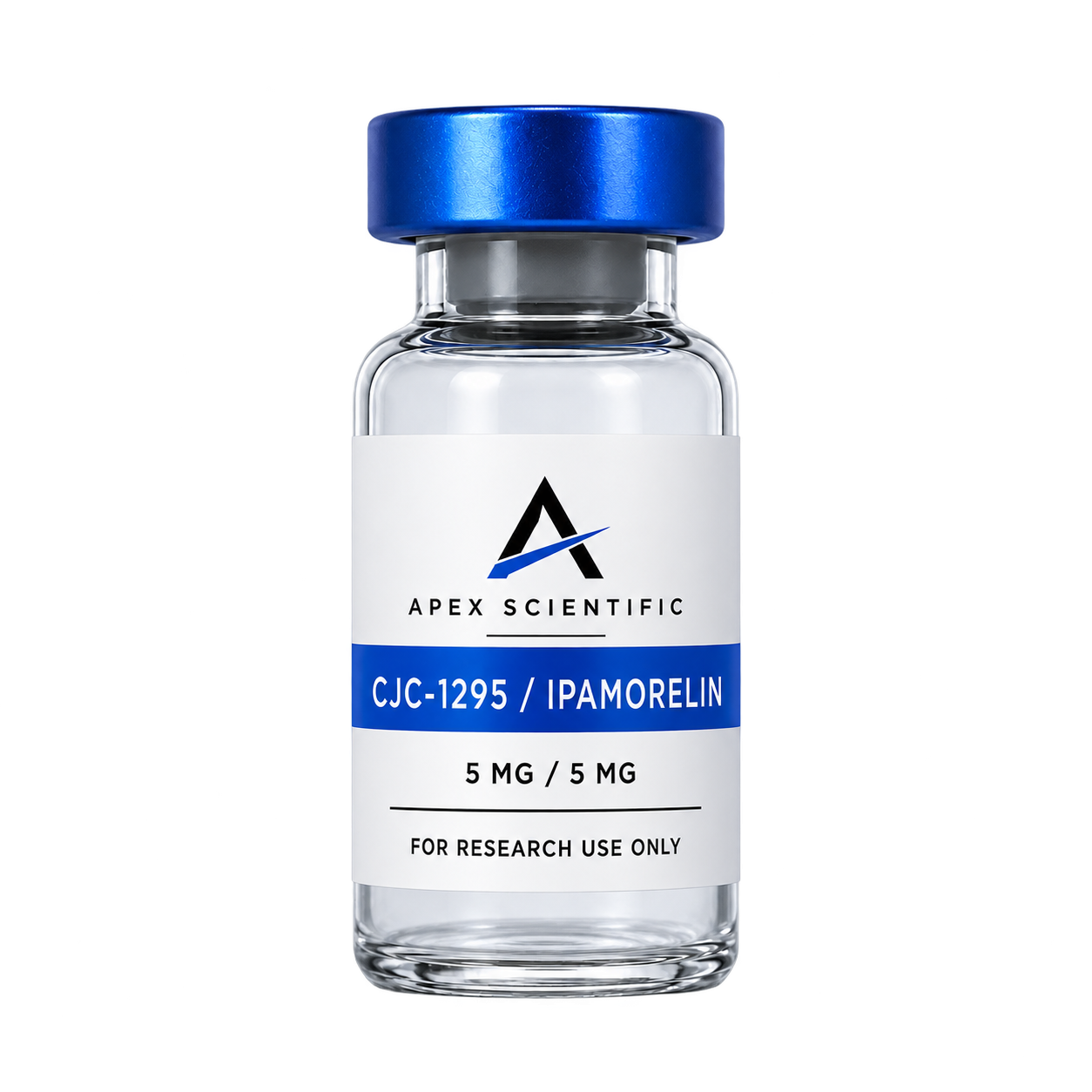
This blend combines CJC-1295, a long-acting GHRH analogue, with ipamorelin, a growth-hormone secretagogue that acts through the ghrelin receptor pathway.
Open compound guide ↗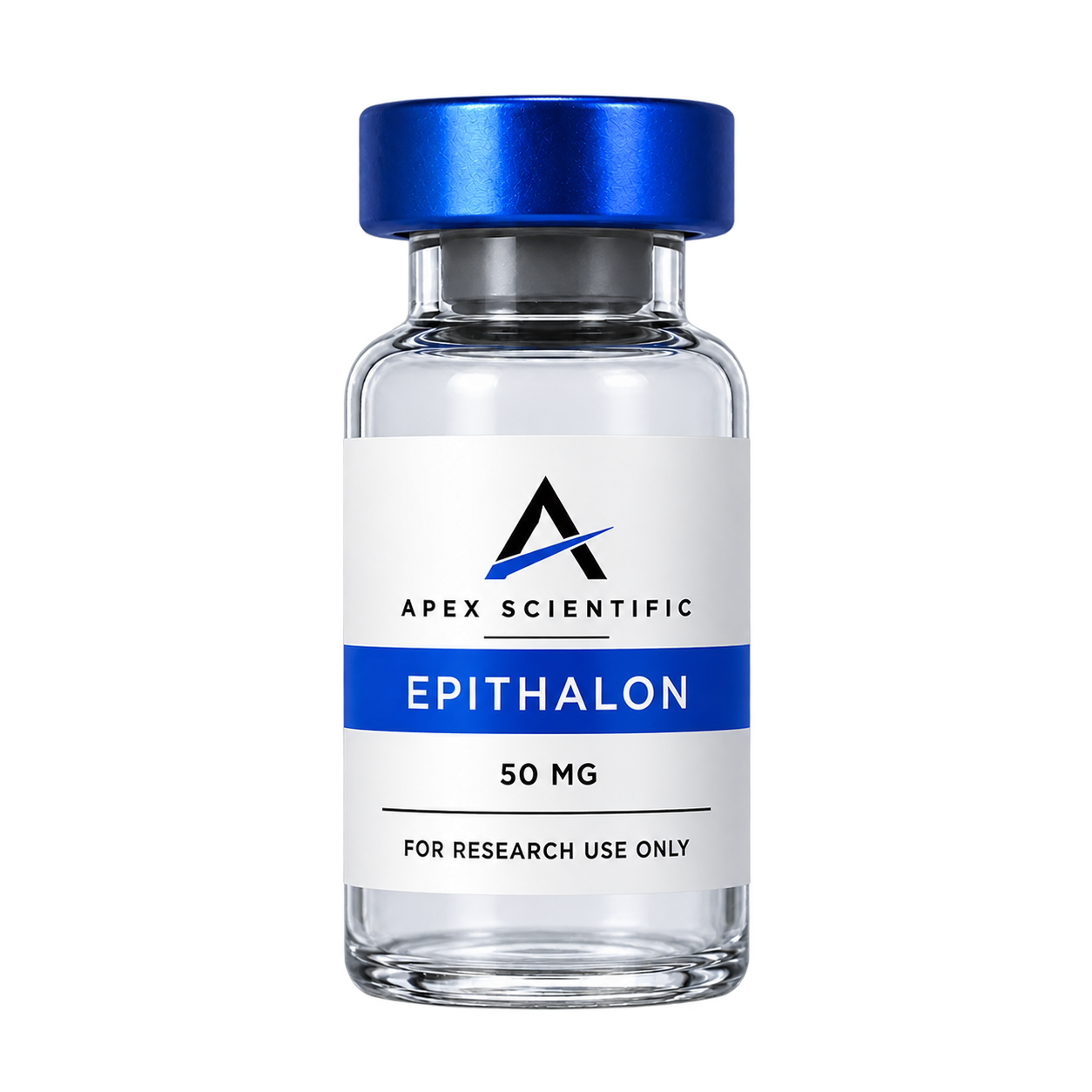
Epithalon, also spelled epitalon, is the tetrapeptide Ala-Glu-Asp-Gly developed from research on pineal peptide extracts.
Open compound guide ↗One important note
IGF-1 LR3 is used mainly in cell and animal research. Human findings from other recombinant IGF-1 medicines cannot be assumed to describe the LR3 analogue.
This guide explains cellular mechanisms and published outcomes in everyday language. It is educational information, not medical advice or instructions for personal use. Products offered on this site are intended exclusively for laboratory research and are not for human or veterinary use.