01Incretin receptor activation
GIPR
GIPR is a cell-surface receptor for nutrient-linked signaling. Structural work examines how tirzepatide occupies the receptor and stabilizes an active G-protein-associated state.

Compound guide
A pathway-focused guide to molecular mechanisms, published evidence, and the limits of interpretation.
Overview
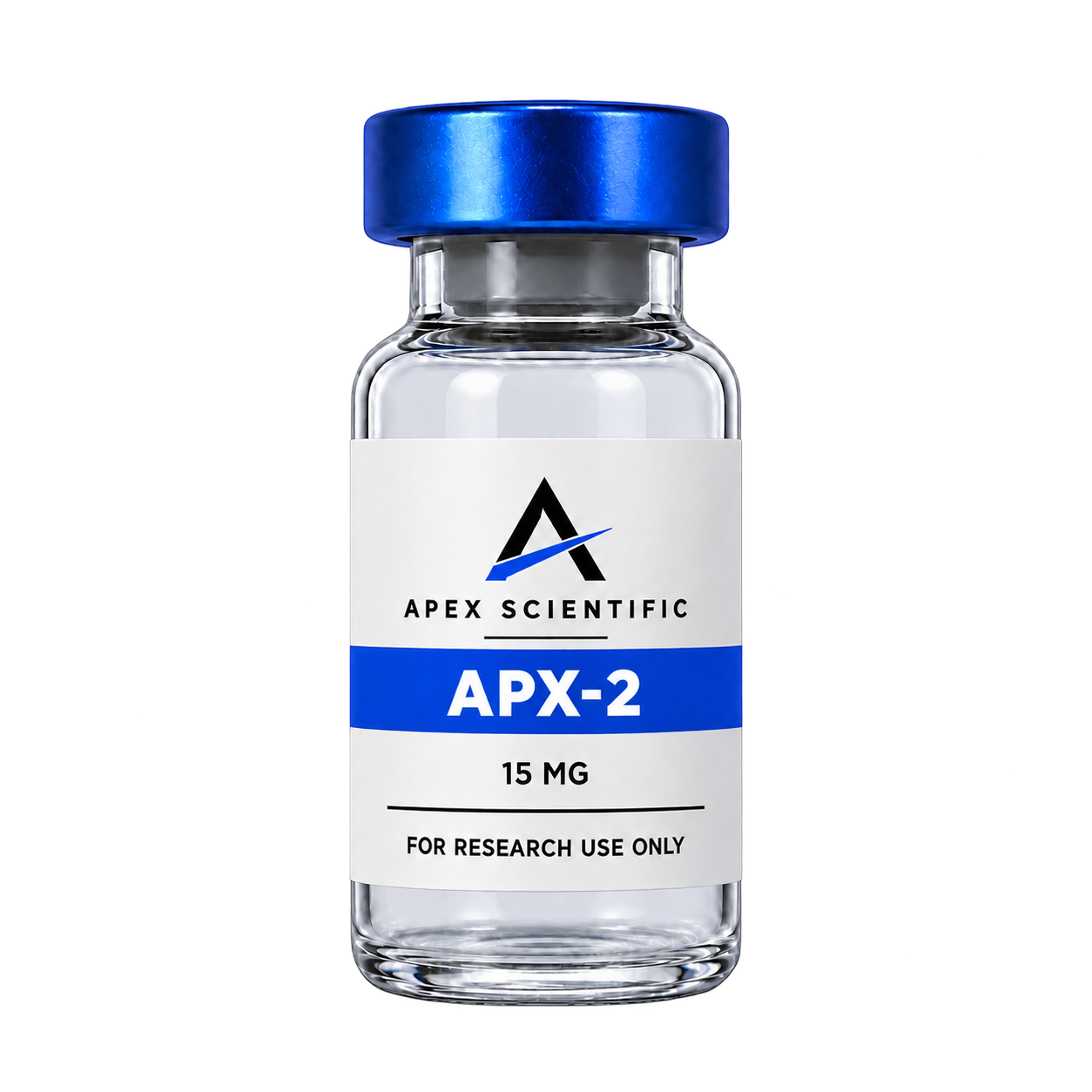
APX-2 is the catalog name for tirzepatide (LY3298176), a peptide that engages two incretin receptors: GIPR and GLP-1R.
These receptors couple to G proteins and raise cyclic AMP. Tirzepatide is studied because its activity and receptor handling differ between the two targets.
The selected sources are structural and pharmacology studies using defined research systems. Receptor activity and primary-islet results do not establish a catalog vial’s performance, safety or clinical suitability.
Research model
These receptors, enzymes, and signaling networks define the primary laboratory questions associated with this research material.
GIPR is a cell-surface receptor for nutrient-linked signaling. Structural work examines how tirzepatide occupies the receptor and stabilizes an active G-protein-associated state.
At GLP-1R, reported signaling favors cyclic-AMP generation over beta-arrestin recruitment relative to GLP-1, with less receptor internalization in the studied systems.
Primary-islet experiments connect receptor signaling to glucose-dependent insulin secretion and examine the role of beta-arrestin1. These are mechanistic preparations, not tests of this catalog item.
Map the research pathway
Follow each target through its intracellular signal, the model being observed, and the evidence boundary that governs interpretation.
GIPR is a cell-surface receptor for nutrient-linked signaling.
Cryo-EM receptor complexes and functional cyclic-AMP assays; an assay response depends on the receptor system used.
Pathway activity does not establish safety, efficacy, or suitability for personal use.
At GLP-1R, reported signaling favors cyclic-AMP generation over beta-arrestin recruitment relative to GLP-1, with less receptor internalization in the studied systems.
Cyclic AMP, beta-arrestin recruitment and receptor internalization; assay bias is comparator- and system-dependent.
Pathway activity does not establish safety, efficacy, or suitability for personal use.
Primary-islet experiments connect receptor signaling to glucose-dependent insulin secretion and examine the role of beta-arrestin1.
Insulin secretion in primary islets under specified glucose conditions; this cannot establish a whole-person outcome.
Pathway activity does not establish safety, efficacy, or suitability for personal use.
Pathways examined together
Research interpretation
The molecule can activate one receptor normally used by a nutrient-responsive hormone.
Activating a receptor and moving it away from the cell surface are different measurements.
An isolated tissue model can connect a cell signal to a measurable secretion response.
The selected sources are structural and pharmacology studies using defined research systems. Receptor activity and primary-islet results do not establish a catalog vial’s performance, safety or clinical suitability.
Read the evidence
Continue exploring
More compounds organized within the metabolic signaling research area.
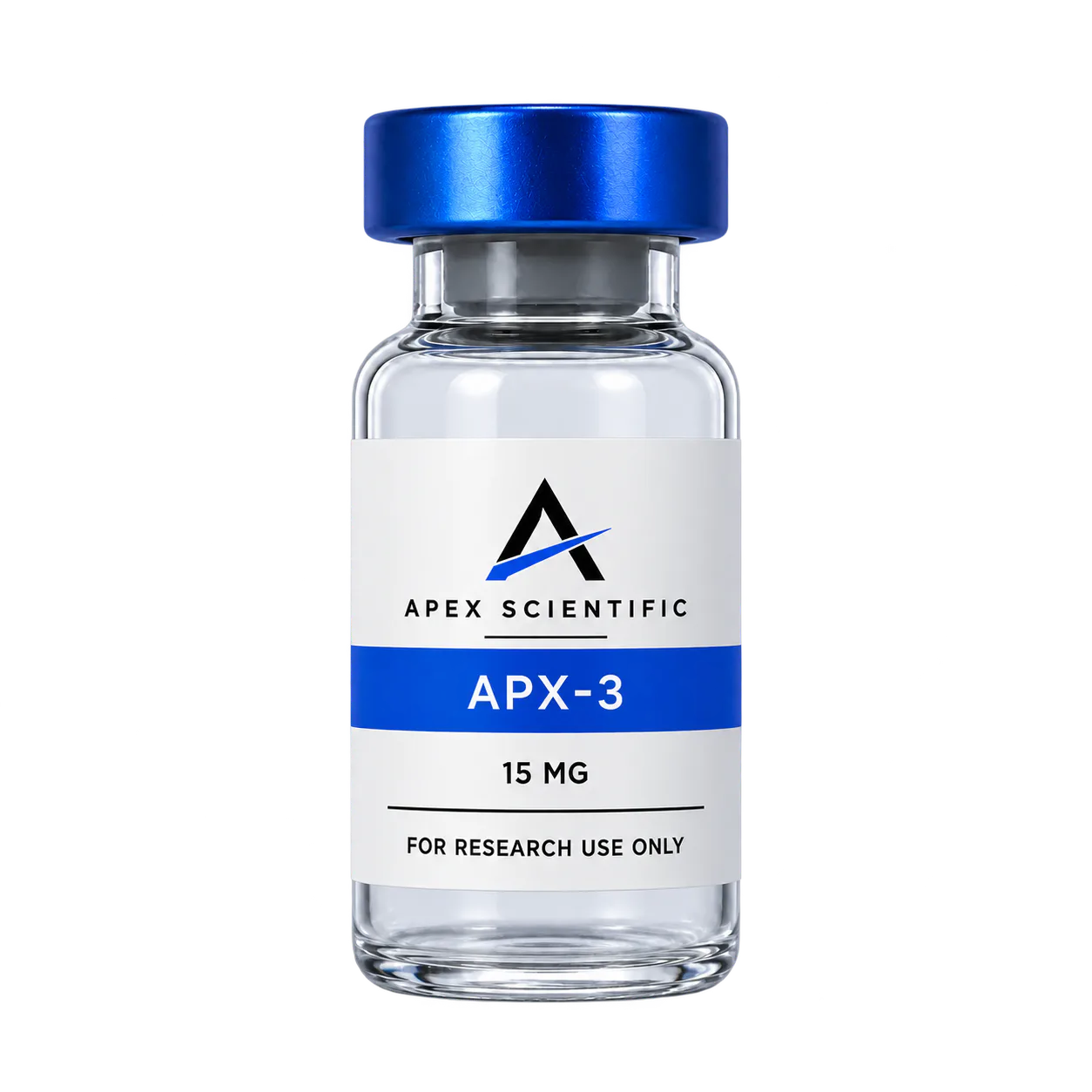
APX-3 is Apex’s catalog name for a single-peptide research compound that engages GLP-1, GIP, and glucagon signaling—an approach sometimes informally described as “GLP-3.”
Open compound guide ↗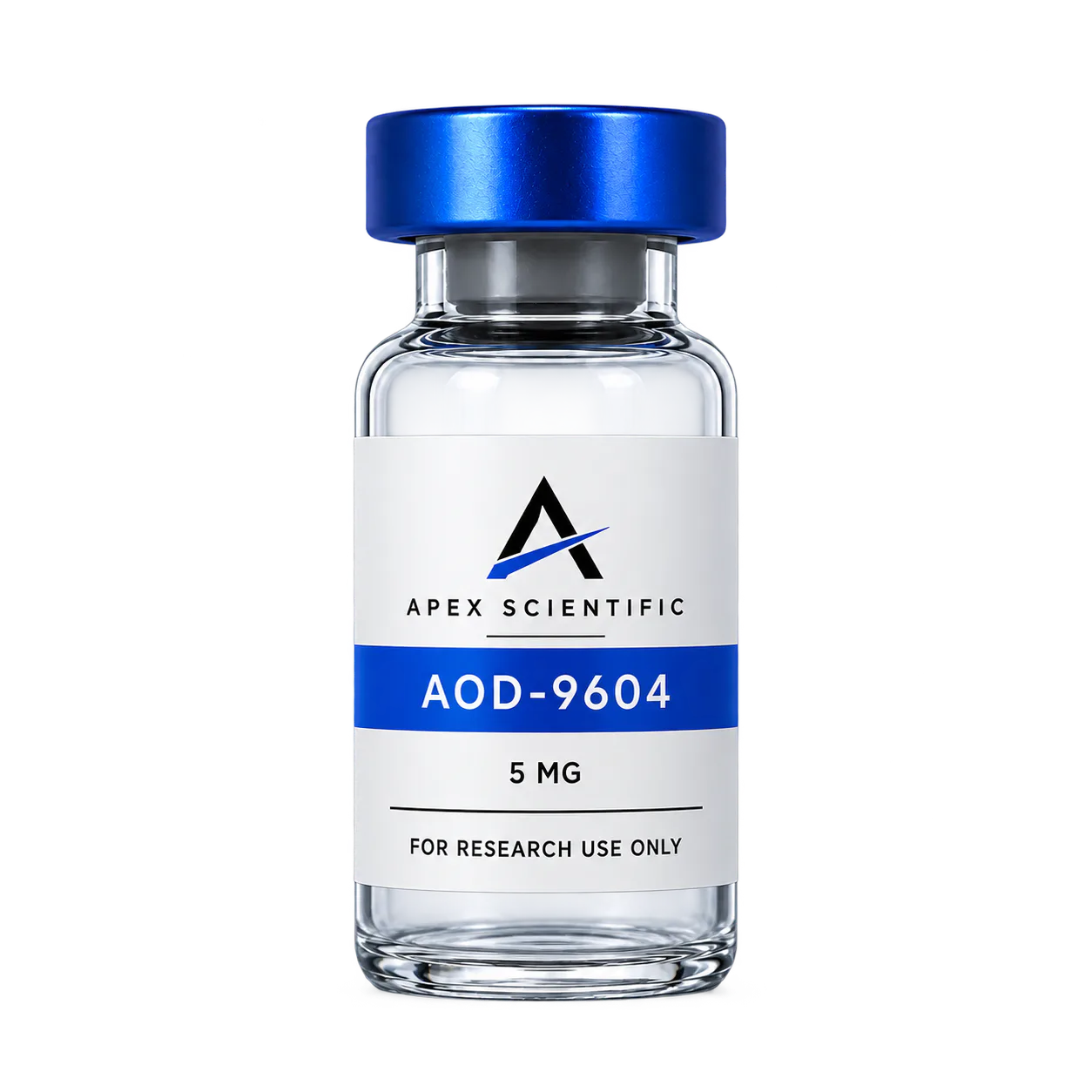
AOD-9604 is a modified peptide derived from the C-terminal region of human growth hormone and was developed to study lipid metabolism separately from full-length growth-hormone signaling.
Open compound guide ↗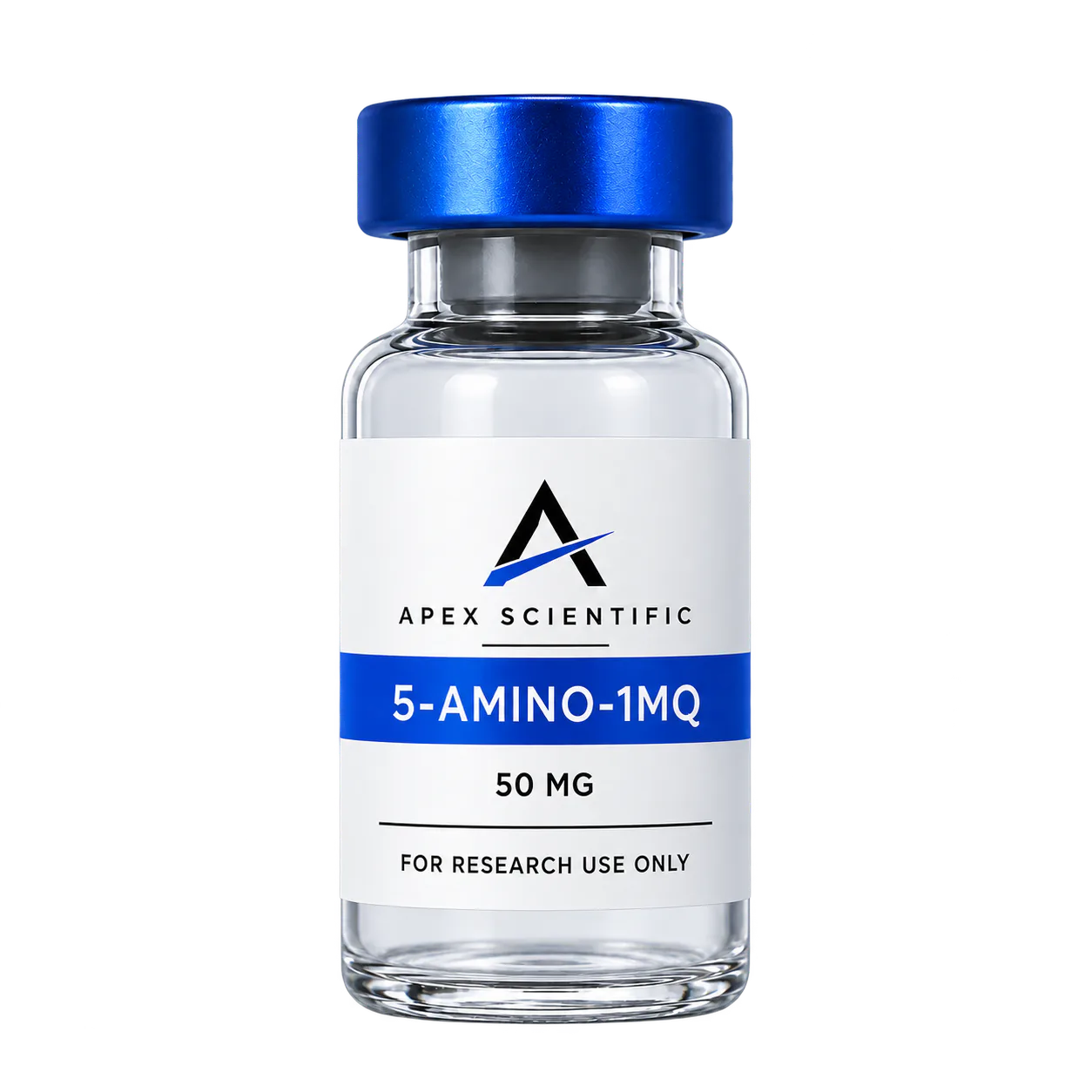
5-Amino-1MQ is a small-molecule inhibitor used to study nicotinamide N-methyltransferase (NNMT), an enzyme involved in nicotinamide and methyl-donor metabolism.
Open compound guide ↗One important note
The selected sources are structural and pharmacology studies using defined research systems. Receptor activity and primary-islet results do not establish a catalog vial’s performance, safety or clinical suitability.
This guide summarizes molecular mechanisms, published evidence, and evidence limits in everyday language. It is educational information, not medical advice or instructions for personal use. Products offered on this site are intended exclusively for laboratory research and are not for human or veterinary use.