01Nicotinamide methylation
NNMT enzyme
NNMT transfers a methyl group from S-adenosylmethionine to nicotinamide. 5-Amino-1MQ inhibits that enzyme in experimental systems, reducing formation of methylated nicotinamide products.

Compound guide
From cellular signaling to what those pathways mean in everyday language.
Overview
5-Amino-1MQ is a small-molecule inhibitor used to study nicotinamide N-methyltransferase (NNMT), an enzyme involved in nicotinamide and methyl-donor metabolism.
5-Amino-1MQ is a small molecule rather than a peptide. It inhibits nicotinamide N-methyltransferase, or NNMT—an enzyme that sits between vitamin B3 metabolism, NAD-related chemistry, and the cell's supply of methyl groups.
Inside the body
These receptors, enzymes, and signaling networks form the primary steps connecting this compound with changes inside cells and tissues.
NNMT transfers a methyl group from S-adenosylmethionine to nicotinamide. 5-Amino-1MQ inhibits that enzyme in experimental systems, reducing formation of methylated nicotinamide products.
Because nicotinamide can be recycled into NAD+, reducing one route of nicotinamide disposal could alter the precursor pool available for NAD-related metabolism. The actual effect depends on many competing enzymes.
Mouse and cell studies associate NNMT inhibition with changes in adipose energy expenditure, methyl-donor balance, and metabolic gene activity.
In plain English
Blocking NNMT may change how nicotinamide and methyl donors are used inside cells.
This helps explain energy and healthy-aging interest, but an indirect effect on a precursor pathway does not prove more energy or better function in a person.
Preclinical models reported body-composition and metabolic signals.
Blocking NNMT changes how nicotinamide and methyl donors are used. That can affect NAD precursor availability, gene-regulating methyl chemistry, and the way fat cells store or release energy.
Read the evidence
Continue exploring
More compounds organized within the metabolic signaling area.
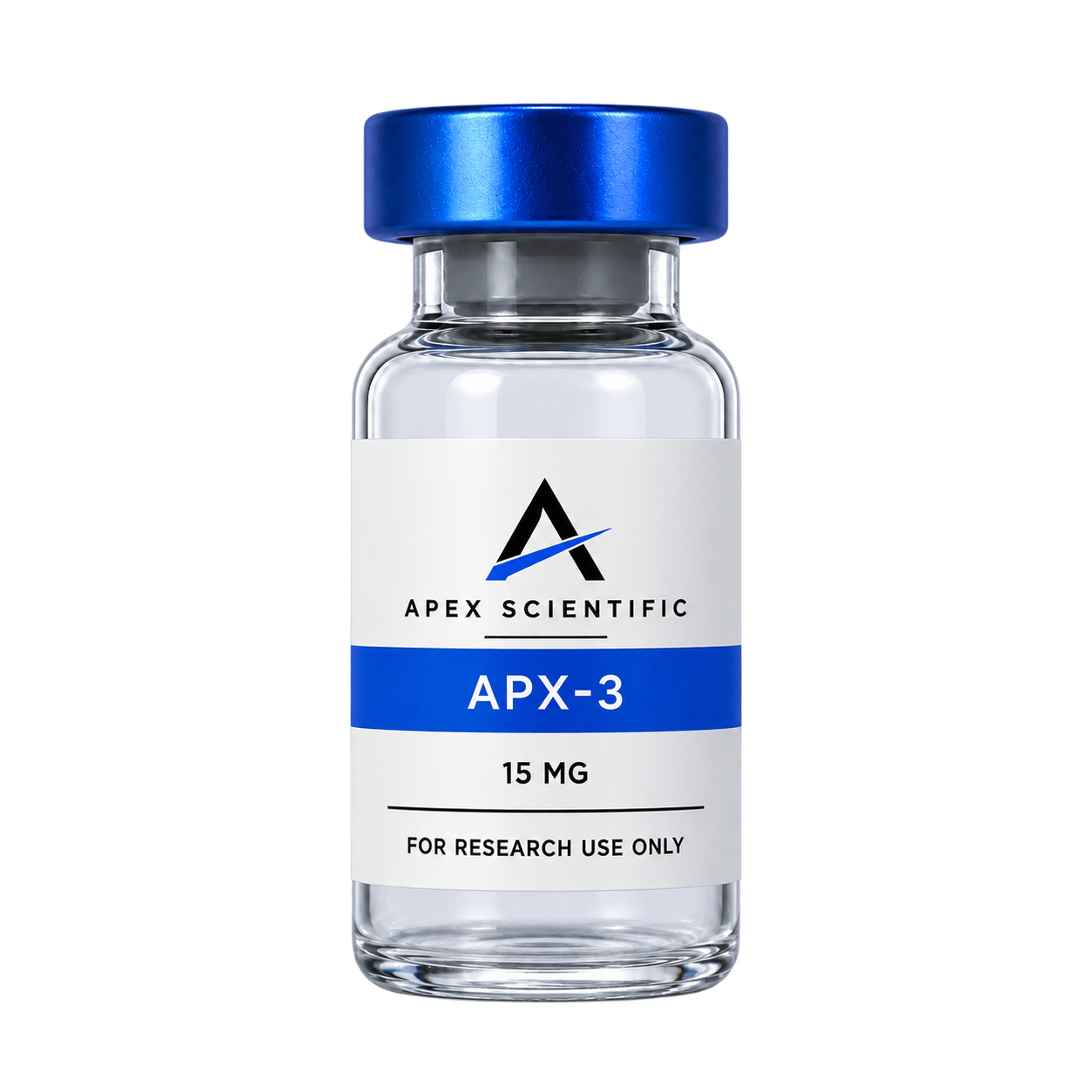
APX-3 is Apex’s catalog name for a single-peptide research compound that engages GLP-1, GIP, and glucagon signaling—an approach sometimes informally described as “GLP-3.”
Open compound guide ↗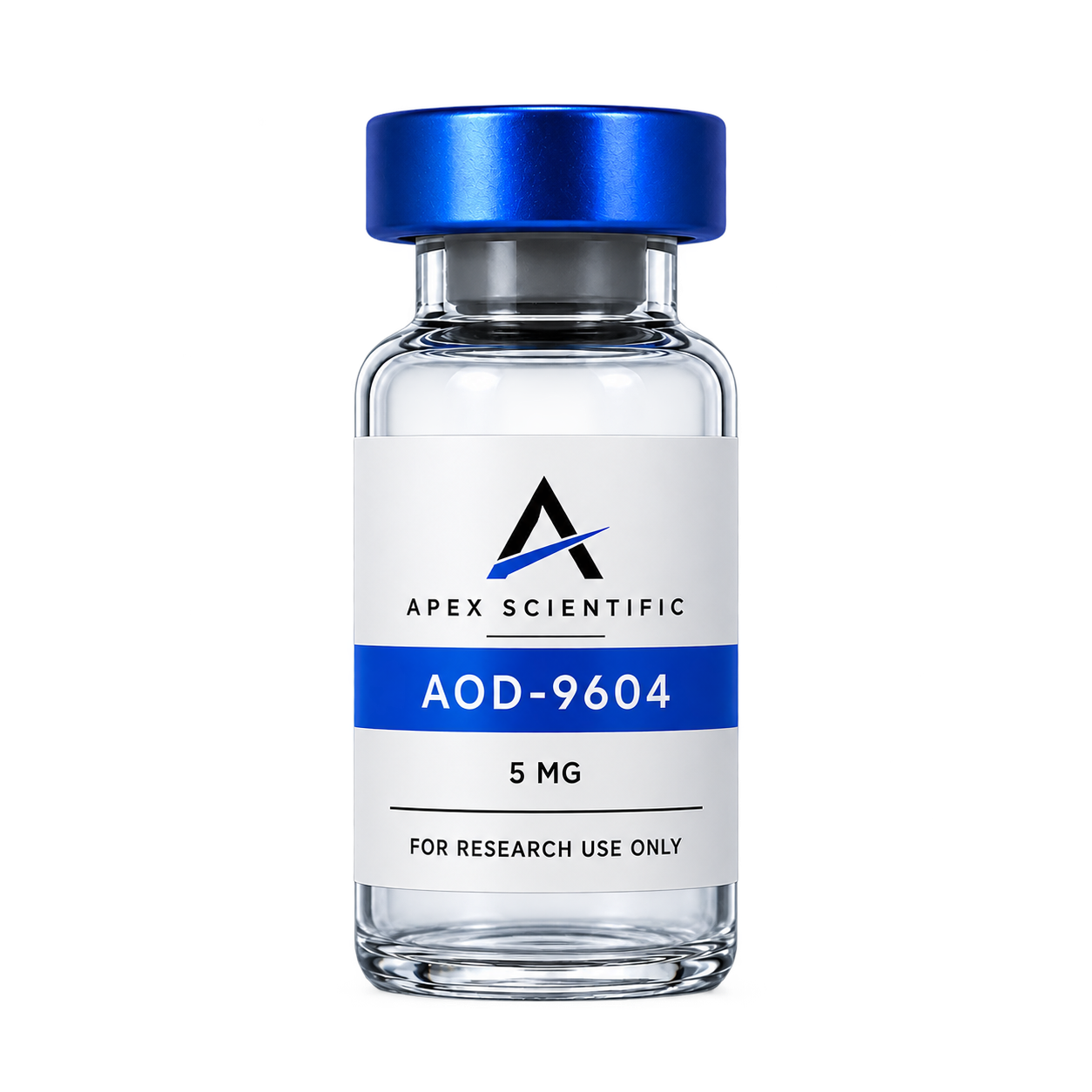
AOD-9604 is a modified peptide derived from the C-terminal region of human growth hormone and was developed to study lipid metabolism separately from full-length growth-hormone signaling.
Open compound guide ↗One important note
Published intervention findings are from laboratory and animal models, including mouse studies of diet-related obesity and metabolic function. Controlled human outcome data are not established.
This guide explains cellular mechanisms and published outcomes in everyday language. It is educational information, not medical advice or instructions for personal use. Products offered on this site are intended exclusively for laboratory research and are not for human or veterinary use.