
01Mitochondrial targeting
Cardiolipin membrane binding
SS-31 associates with cardiolipin, a negatively charged phospholipid concentrated in the inner mitochondrial membrane. Cardiolipin helps organize membrane shape and respiratory proteins.

Compound guide
From cellular signaling to what those pathways mean in everyday language.
Overview
SS-31, also called elamipretide, is a short mitochondria-targeting tetrapeptide studied for its interaction with cardiolipin in the inner mitochondrial membrane.
SS-31, also called elamipretide, is a short peptide designed to concentrate around the inner membrane of mitochondria. Its main molecular interaction is with cardiolipin, a lipid that helps organize the machinery used to make ATP.
Inside the body
These receptors, enzymes, and signaling networks form the primary steps connecting this compound with changes inside cells and tissues.
SS-31 associates with cardiolipin, a negatively charged phospholipid concentrated in the inner mitochondrial membrane. Cardiolipin helps organize membrane shape and respiratory proteins.
Preclinical work suggests cardiolipin interactions can support cristae structure and the arrangement of electron-transport proteins, including the relationship between cardiolipin and cytochrome c.
By influencing membrane and electron-transport behavior, SS-31 is proposed to reduce excessive reactive-oxygen-species formation and downstream oxidative damage in stressed cells.
In plain English
Stabilizing that environment could support stressed mitochondria without directly creating energy on its own.
A more organized respiratory chain could make ATP production more efficient and limit electron leak.
This explains interest in fatigue, muscle function, and age-related mitochondrial decline.
By interacting with cardiolipin, SS-31 can help organize the membrane environment around the electron-transport chain. The goal of that system is steadier electron flow, more efficient ATP production, and less electron leakage that can create oxidative stress.
Read the evidence
Continue exploring
More compounds organized within the mitochondrial systems area.
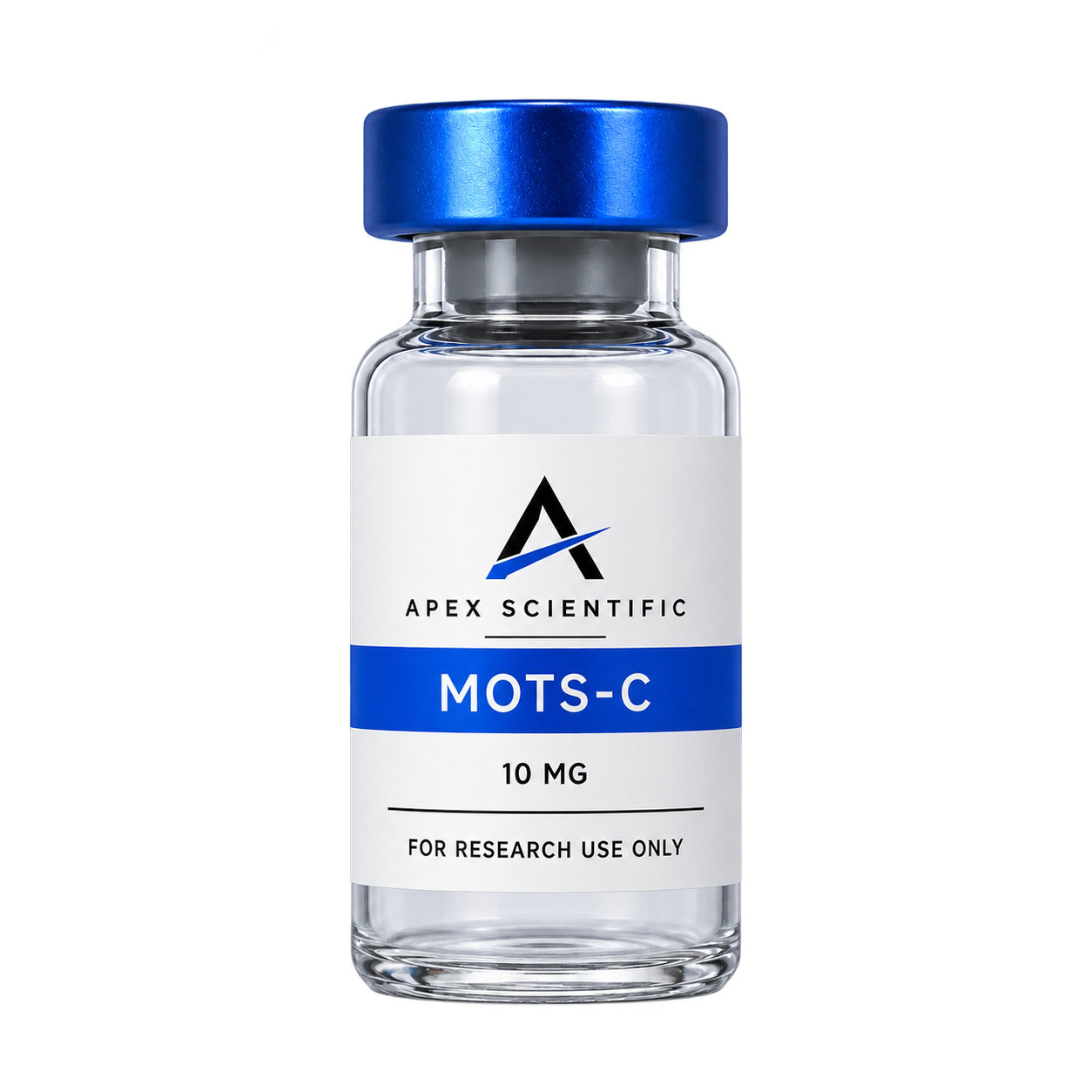
MOTS-c is a 16-amino-acid peptide encoded within mitochondrial DNA and studied as a signal between mitochondrial stress and wider cellular metabolism.
Open compound guide ↗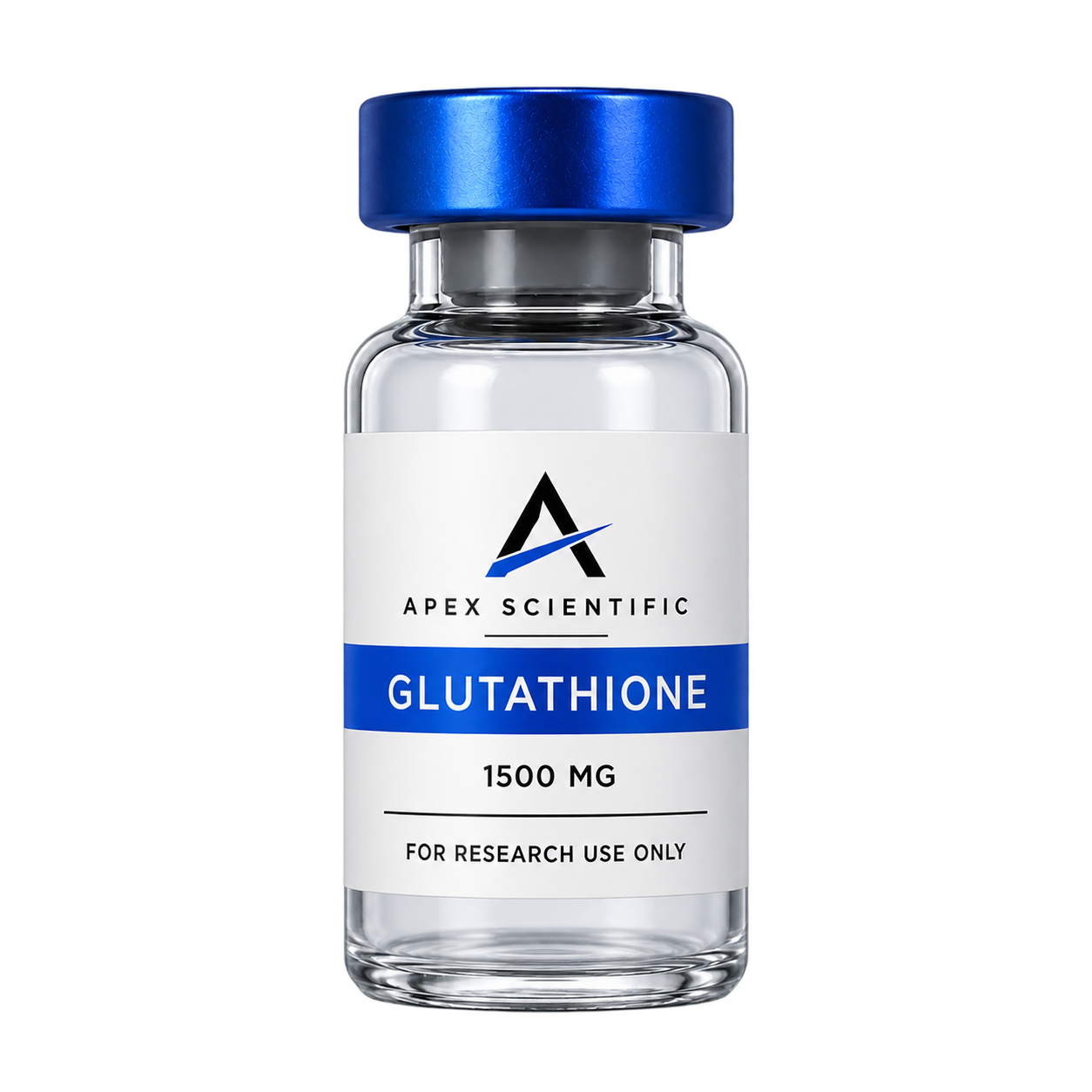
Glutathione is an endogenous tripeptide and one of the cell's major redox buffers.
Open compound guide ↗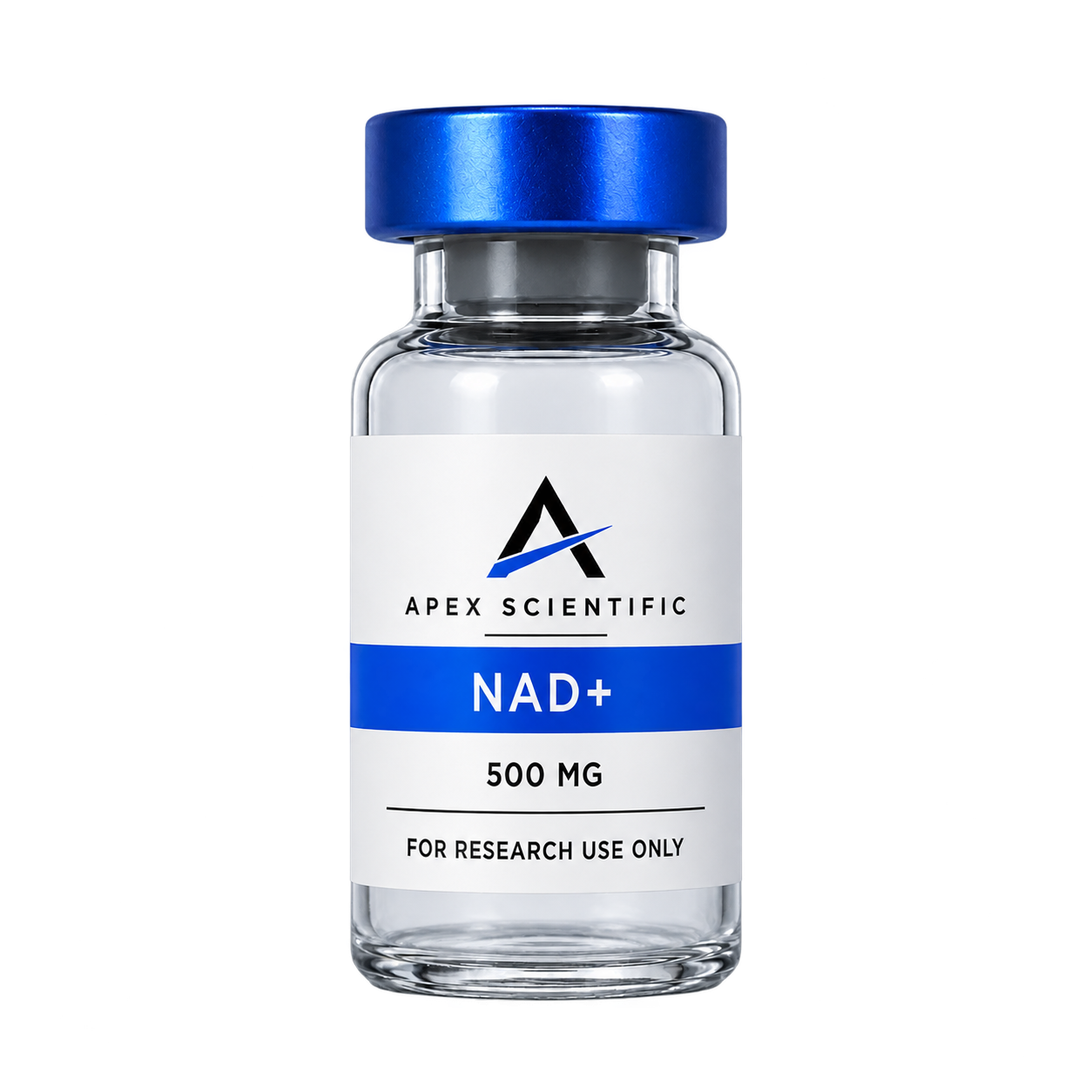
NAD+ is a ubiquitous dinucleotide coenzyme central to oxidation-reduction reactions and cellular energy metabolism.
Open compound guide ↗One important note
SS-31 has been tested in human mitochondrial-disease trials. Early studies reported selected signals, while the larger MMPOWER-3 trial did not improve its primary walking-distance or fatigue endpoints.
This guide explains cellular mechanisms and published outcomes in everyday language. It is educational information, not medical advice or instructions for personal use. Products offered on this site are intended exclusively for laboratory research and are not for human or veterinary use.