01Central motivation pathway
Melanocortin-4 receptor
Bremelanotide activates melanocortin receptors, with MC4 receptor signaling considered important to its central effects. These G-protein-coupled receptors can alter neuronal cyclic-AMP signaling.

Compound guide
From cellular signaling to what those pathways mean in everyday language.
Overview
PT-141 is the research name for bremelanotide, a cyclic peptide that activates several melanocortin receptor subtypes.
PT-141, also called bremelanotide, activates melanocortin receptors in the central nervous system. Its best-defined target is the MC4 receptor, which participates in neural networks involved in sexual motivation and desire.
Inside the body
These receptors, enzymes, and signaling networks form the primary steps connecting this compound with changes inside cells and tissues.
Bremelanotide activates melanocortin receptors, with MC4 receptor signaling considered important to its central effects. These G-protein-coupled receptors can alter neuronal cyclic-AMP signaling.
Melanocortin signals are integrated across hypothalamic and limbic regions that combine hormonal state, reward, attention, and autonomic response.
Melanocortin receptors and connected autonomic pathways can affect nausea, flushing, blood pressure, heart rate, and pigmentation-related biology.
In plain English
Brain melanocortin networks can influence sexual desire and motivated behavior.
This central mechanism helps explain changes in desire without requiring a direct local vascular effect.
These pathways help explain the approved label's adverse effects and precautions.
Unlike compounds that act mainly by changing blood flow, PT-141 begins with a brain signal. Melanocortin-receptor activation changes neural communication in pathways that connect motivation, attention, and sexual response.
Read the evidence
Continue exploring
More compounds organized within the neuropeptide signaling area.
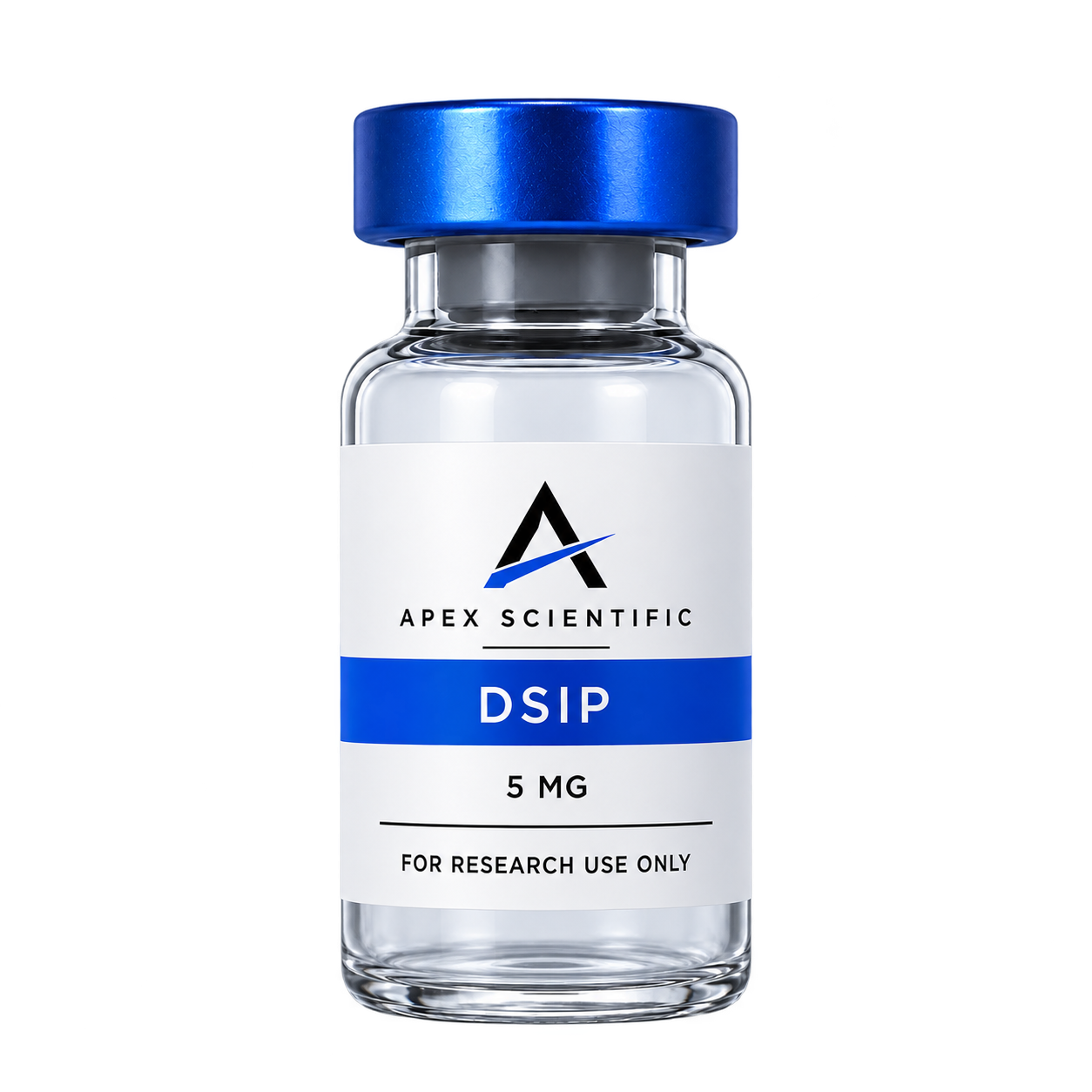
Delta sleep-inducing peptide (DSIP) is a nine-amino-acid peptide originally isolated in experiments examining sleep-related EEG activity.
Open compound guide ↗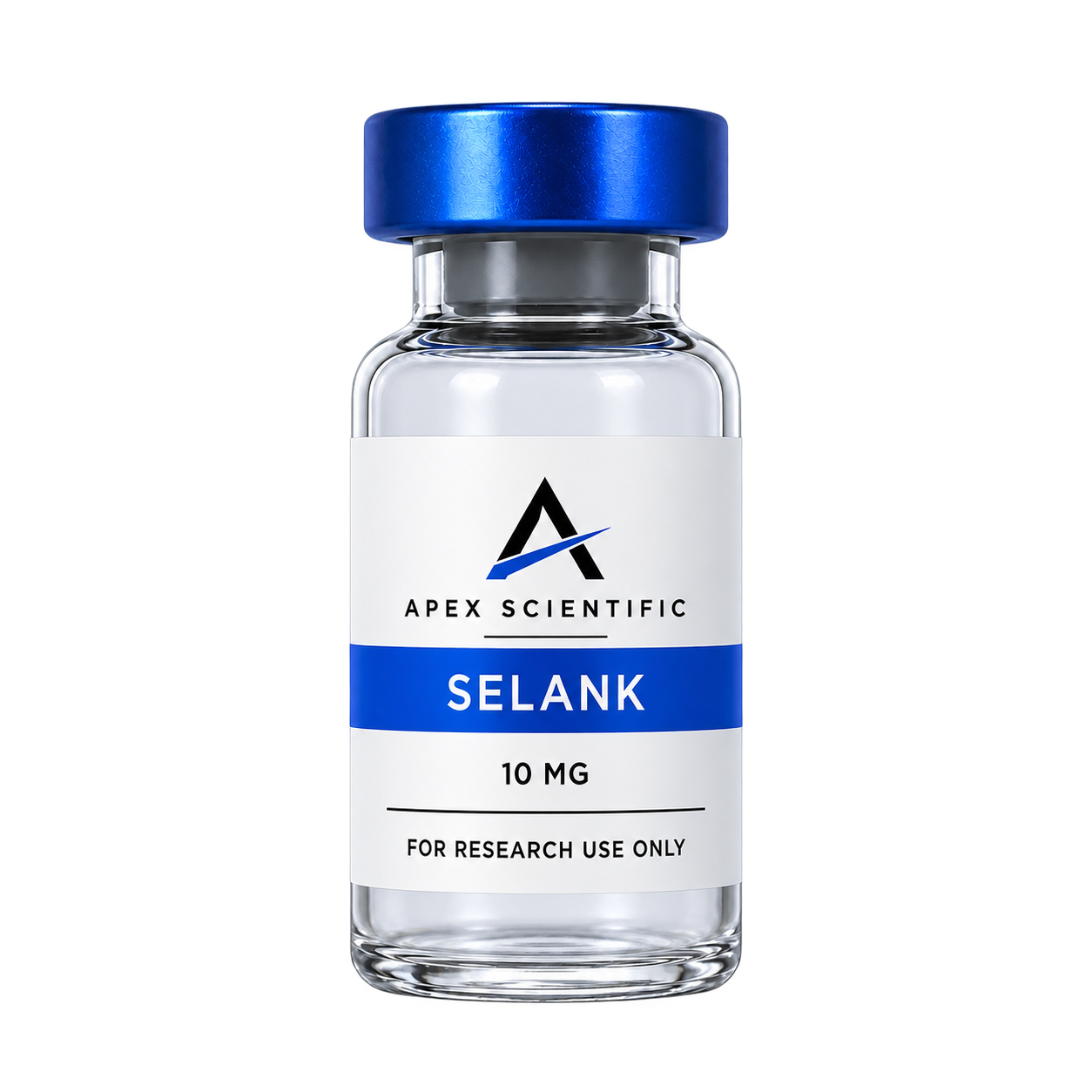
Selank is a synthetic heptapeptide derived from the immune-associated peptide tuftsin and studied as a regulatory neuropeptide.
Open compound guide ↗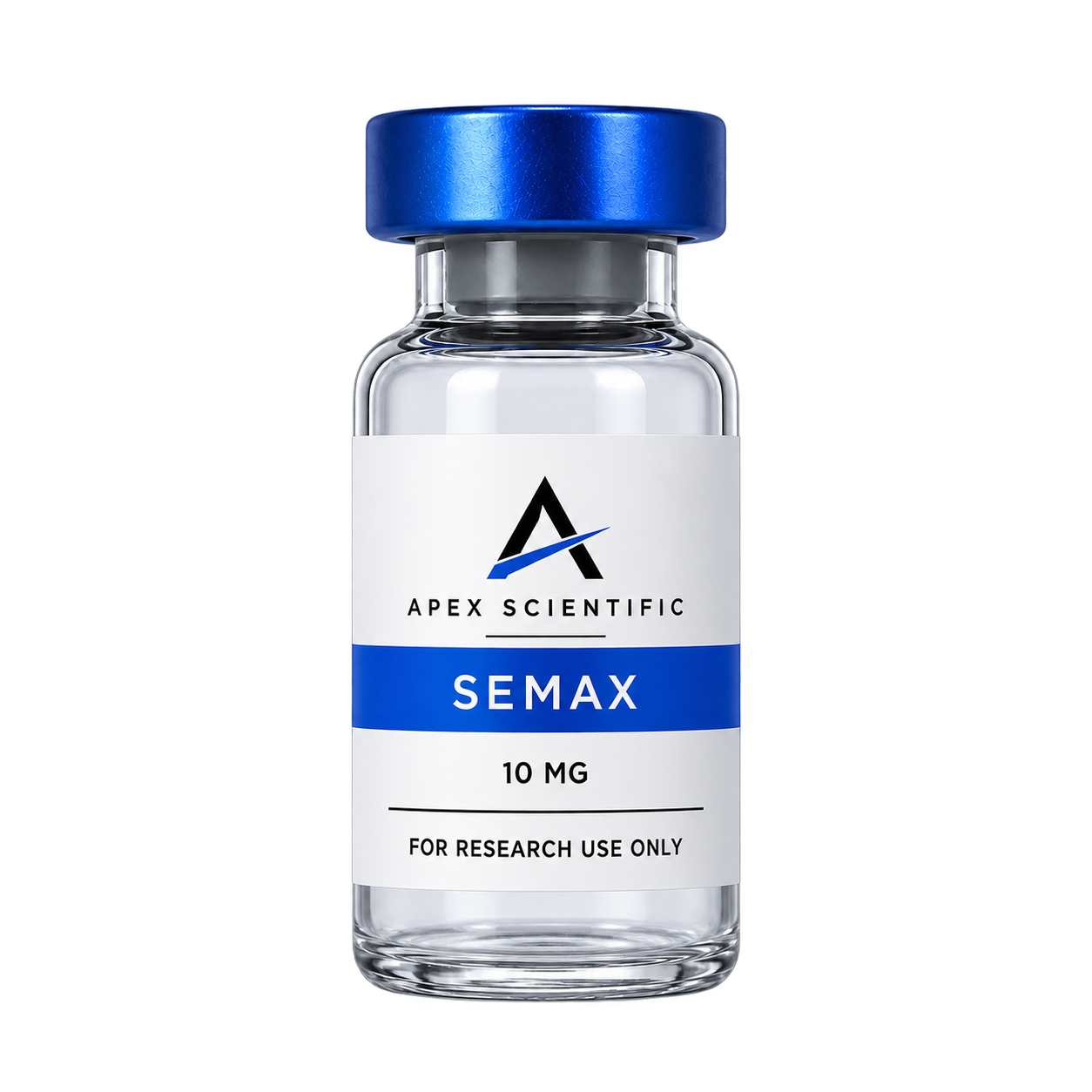
Semax is a synthetic peptide based on an ACTH fragment with a Pro-Gly-Pro extension that increases stability.
Open compound guide ↗One important note
Two phase 3 trials studied a specific bremelanotide formulation in premenopausal women with hypoactive sexual desire disorder. Nausea, flushing, and headache occurred more often than with placebo.
This guide explains cellular mechanisms and published outcomes in everyday language. It is educational information, not medical advice or instructions for personal use. Products offered on this site are intended exclusively for laboratory research and are not for human or veterinary use.