01Reactive oxygen species and viability
Oxidative-stress model
A cell study reported changes in ROS accumulation and necrotic cell death in stressed cerebellar granule cells, neutrophils and PC12 cells.
Compound guide
A pathway-focused guide to molecular mechanisms, published evidence, and the limits of interpretation.
Overview
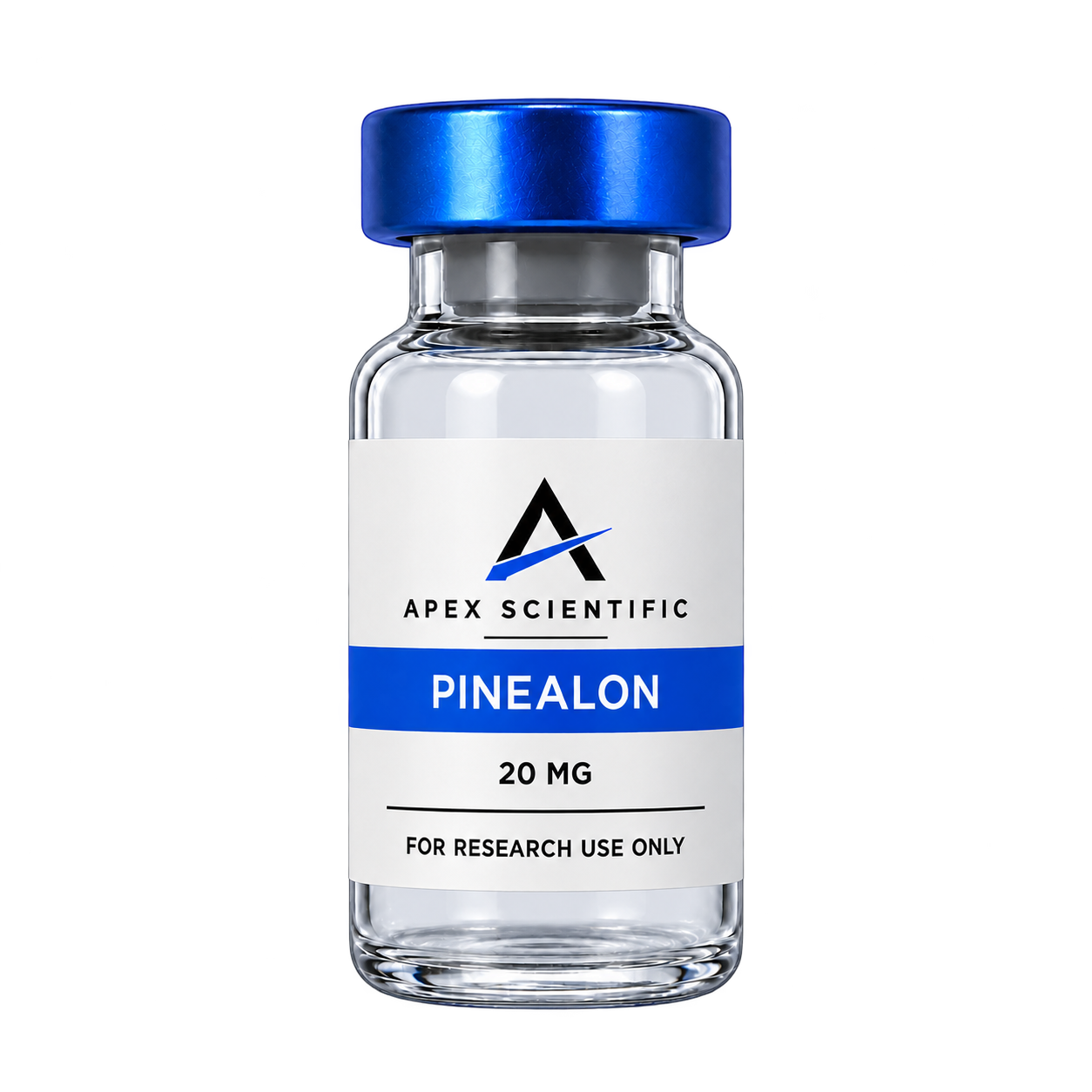
Pinealon is the research name for the tripeptide Glu–Asp–Arg, abbreviated EDR. The selected studies examine oxidative stress in cells and a specific rat developmental-stress model.
Reported responses include reactive oxygen species, cell viability and the timing of ERK1/2 activation. No single validated receptor target is established by these findings.
Cell observations and a prenatal hyperhomocysteinemia rat model do not establish human cognitive improvement, safety or clinical efficacy. The studies also do not identify the composition or properties of this catalog vial.
Research model
These receptors, enzymes, and signaling networks define the primary laboratory questions associated with this research material.
A cell study reported changes in ROS accumulation and necrotic cell death in stressed cerebellar granule cells, neutrophils and PC12 cells.
The same study reported altered ERK1/2 activation timing and cell-cycle behavior. These associations do not demonstrate direct binding to ERK, DNA or a specific receptor.
A rat study of prenatal hyperhomocysteinemia assessed offspring learning-related behavior and isolated neuronal stress responses. Its developmental and disease-model context is essential.
Map the research pathway
Follow each target through its intracellular signal, the model being observed, and the evidence boundary that governs interpretation.
A cell study reported changes in ROS accumulation and necrotic cell death in stressed cerebellar granule cells, neutrophils and PC12 cells.
ROS assays and propidium-iodide cell-death measurements; a lower signal does not identify a direct receptor.
Pathway activity does not establish safety, efficacy, or suitability for personal use.
The same study reported altered ERK1/2 activation timing and cell-cycle behavior.
ERK activation time course and cell-cycle measurements; the direct-target mechanism remains uncertain.
Pathway activity does not establish safety, efficacy, or suitability for personal use.
A rat study of prenatal hyperhomocysteinemia assessed offspring learning-related behavior and isolated neuronal stress responses.
Spatial-learning tasks plus neuronal ROS and cell-death readouts; species and developmental context constrain translation.
Pathway activity does not establish safety, efficacy, or suitability for personal use.
Pathways examined together
Research interpretation
The measurements concern cellular stress and survival under specified laboratory conditions.
A downstream signaling change is a clue about a response, not proof of the molecule’s first target.
Behavior in this specialized animal model is not evidence of a human memory benefit.
Cell observations and a prenatal hyperhomocysteinemia rat model do not establish human cognitive improvement, safety or clinical efficacy. The studies also do not identify the composition or properties of this catalog vial.
Read the evidence
Continue exploring
More compounds organized within the neuropeptide signaling research area.
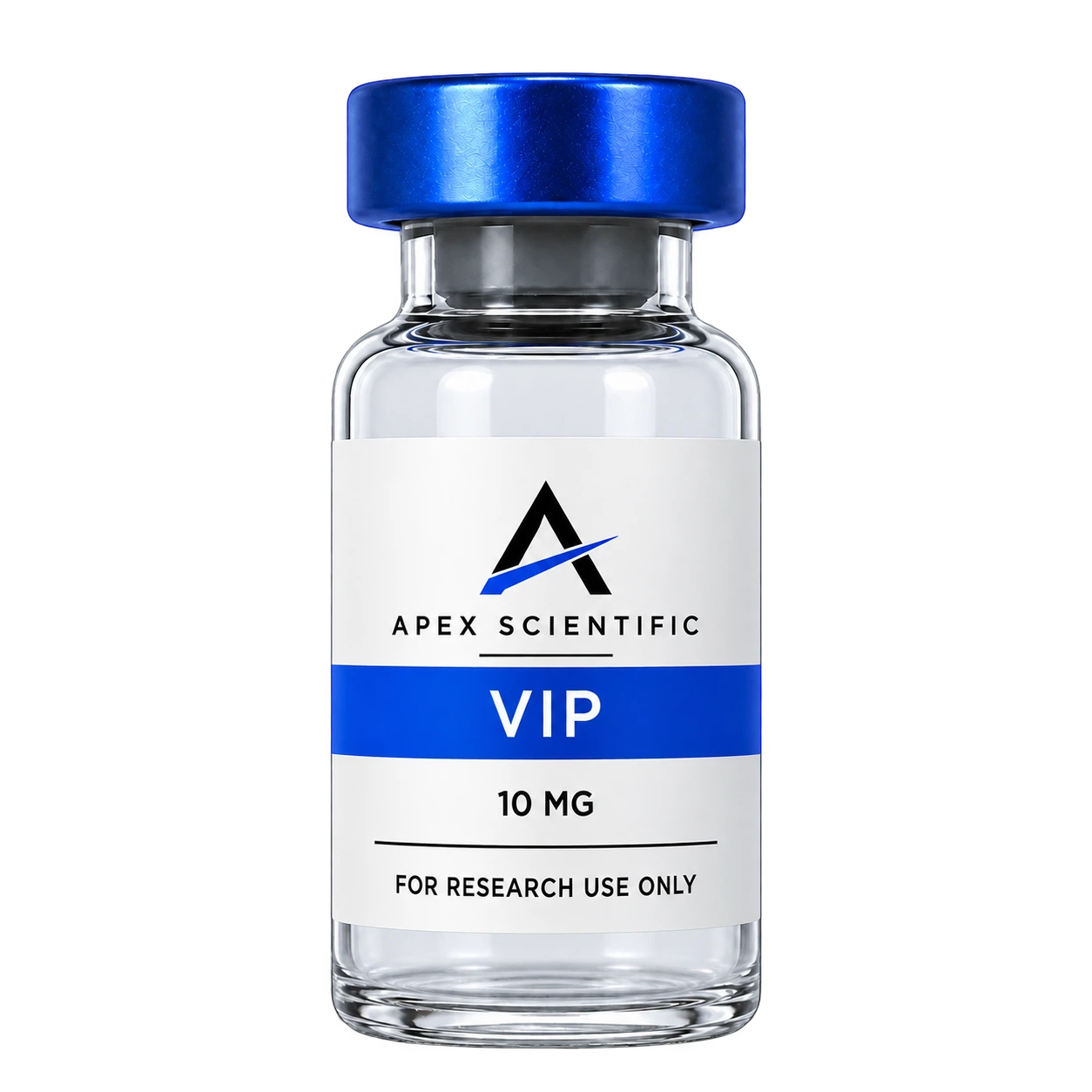
VIP, or vasoactive intestinal peptide, is an endogenous 28-amino-acid neuropeptide that signals mainly through the VPAC1 and VPAC2 receptors.
Open compound guide ↗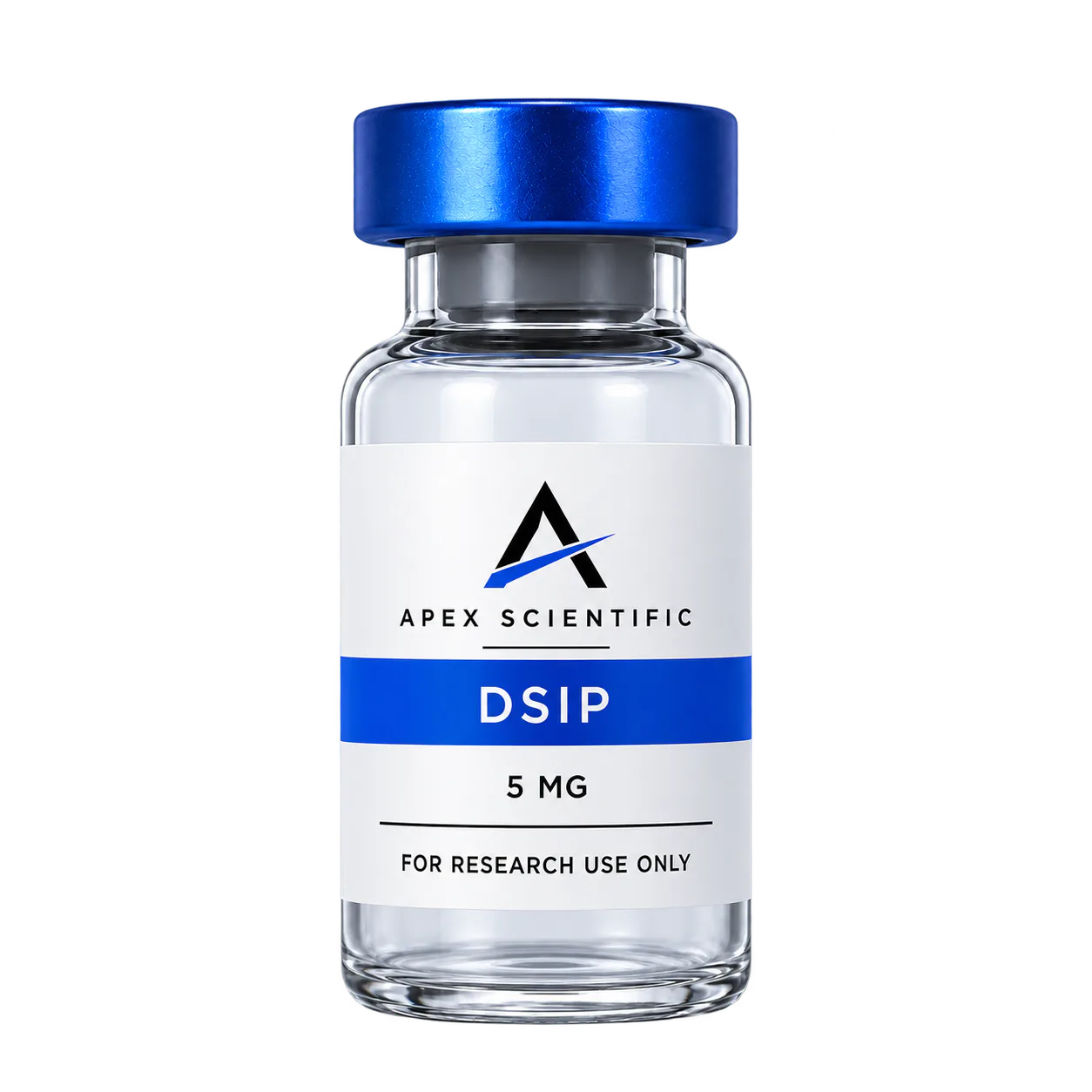
Delta sleep-inducing peptide (DSIP) is a nine-amino-acid peptide originally isolated in experiments examining sleep-related EEG activity.
Open compound guide ↗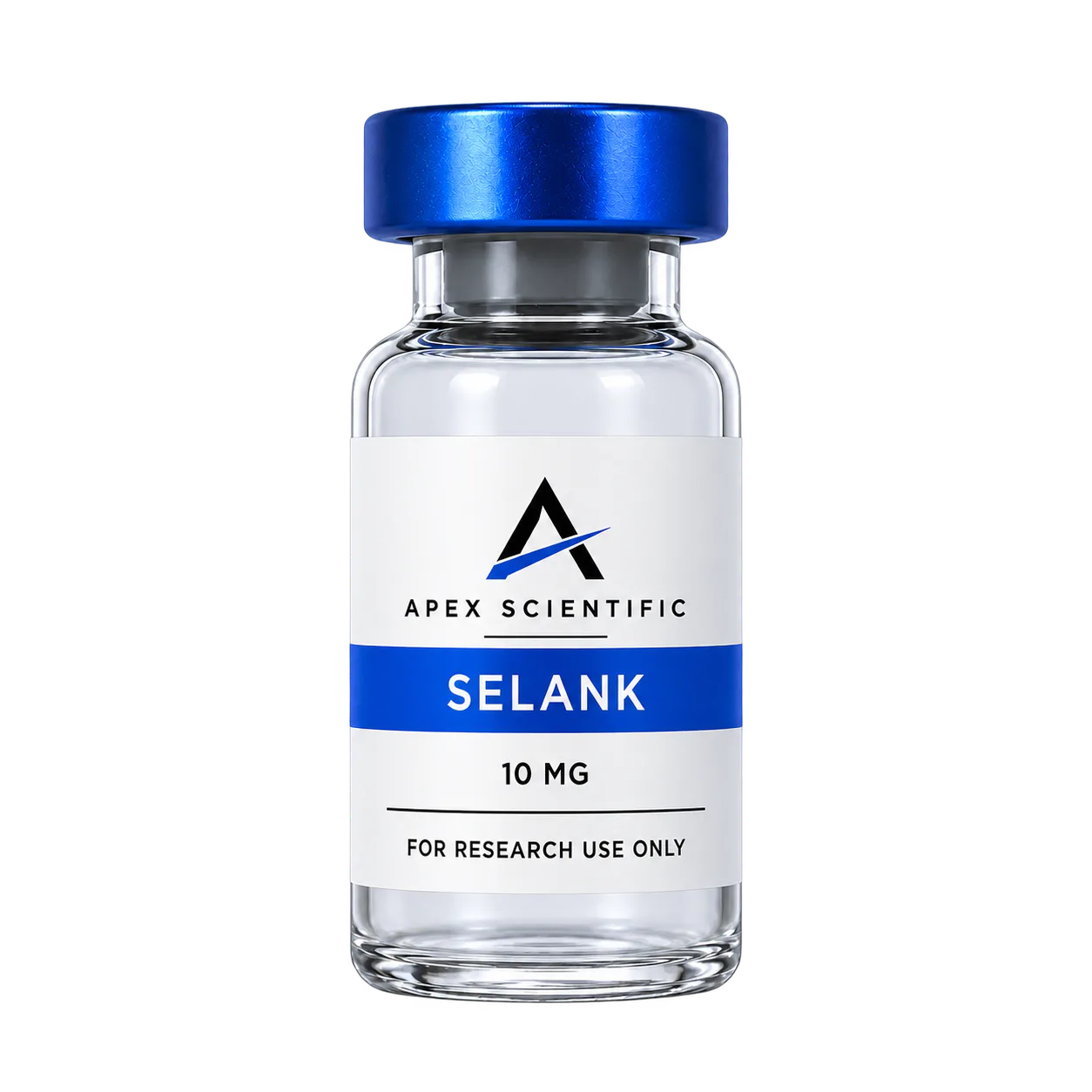
Selank is a synthetic heptapeptide derived from the immune-associated peptide tuftsin and studied as a regulatory neuropeptide.
Open compound guide ↗One important note
Cell observations and a prenatal hyperhomocysteinemia rat model do not establish human cognitive improvement, safety or clinical efficacy. The studies also do not identify the composition or properties of this catalog vial.
This guide summarizes molecular mechanisms, published evidence, and evidence limits in everyday language. It is educational information, not medical advice or instructions for personal use. Products offered on this site are intended exclusively for laboratory research and are not for human or veterinary use.