01Vascular response
Nitric-oxide system
Animal studies associate BPC-157 with nitric-oxide synthase pathways and normalization of vascular responses under certain injury conditions. Its direct binding target remains unclear.
Compound guide
From cellular signaling to what those pathways mean in everyday language.
Overview
BPC-157 is a synthetic 15-amino-acid peptide derived from a sequence associated with a gastric protein fragment.
BPC-157 is a synthetic 15-amino-acid peptide studied across vascular, nitric-oxide, inflammatory, gastrointestinal, and tissue-response models. A single direct receptor has not been confirmed, so its proposed activity is described as a network of interacting pathways.
Inside the body
These receptors, enzymes, and signaling networks form the primary steps connecting this compound with changes inside cells and tissues.
Animal studies associate BPC-157 with nitric-oxide synthase pathways and normalization of vascular responses under certain injury conditions. Its direct binding target remains unclear.
Preclinical work reports changes in VEGF-related signaling, endothelial-cell behavior, and formation of small blood vessels around damaged tissue.
Laboratory and animal models describe shifts in inflammatory mediators, fibroblast movement, collagen organization, and responses in tendon or gastrointestinal tissues.
In plain English
Blood flow and vessel behavior can affect repair, which makes the pathway relevant to injury models.
New vessels can support repair, but angiogenesis is highly context-dependent and not automatically beneficial.
These overlapping findings explain broad healing claims online.
The working repair model links blood-vessel behavior, nitric-oxide signaling, inflammatory control, and movement of repair-related cells. Together, those systems influence how injured tissue receives resources, clears damage, and rebuilds structure.
Read the evidence
Continue exploring
More compounds organized within the cellular response area.
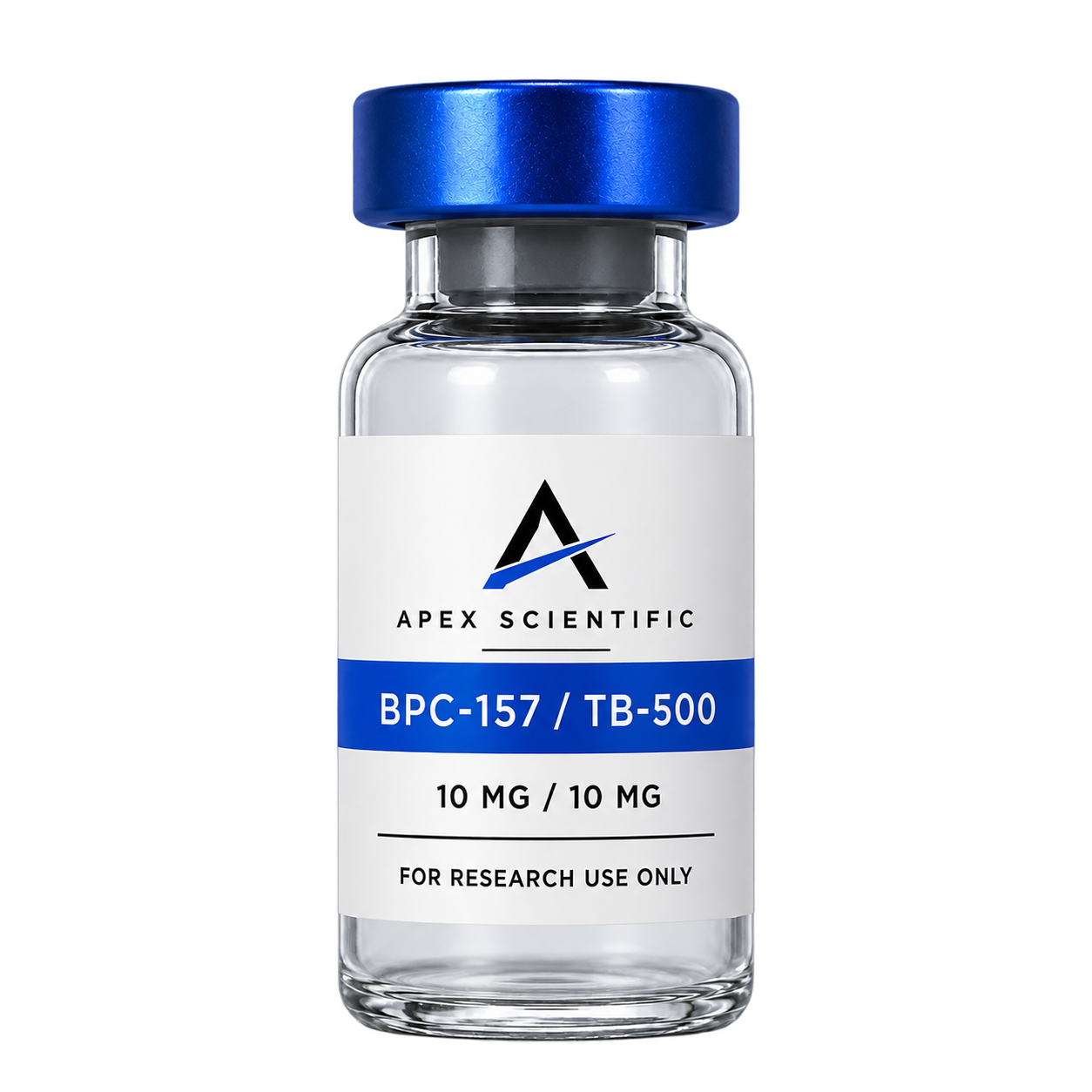
This research blend pairs BPC-157, a synthetic 15-amino-acid peptide, with a thymosin beta-4 reference commonly labeled TB-500.
Open compound guide ↗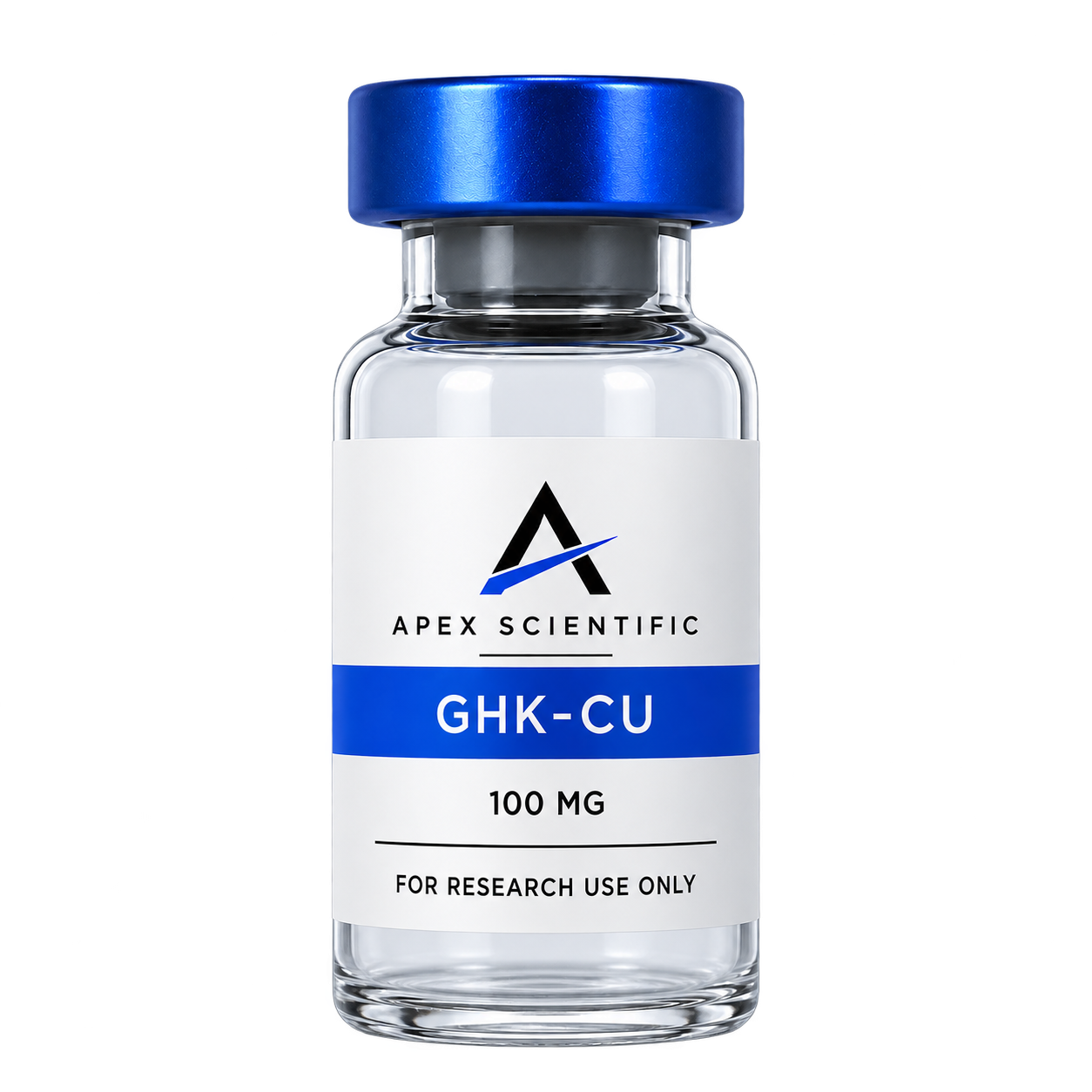
GHK-Cu is a copper complex of the naturally occurring tripeptide glycyl-L-histidyl-L-lysine.
Open compound guide ↗
Thymosin alpha-1, also called thymalfasin, is a 28-amino-acid peptide related to a naturally occurring thymic peptide.
Open compound guide ↗One important note
The molecular and repair findings come predominantly from animal and laboratory studies. Human pharmacology and controlled human outcome data remain limited.
This guide explains cellular mechanisms and published outcomes in everyday language. It is educational information, not medical advice or instructions for personal use. Products offered on this site are intended exclusively for laboratory research and are not for human or veterinary use.